
Okinawa City: Street Culture, Eisa Drums & “Champuru” Island Vibes
Okinawa City, also known as Koza, sits in the center of Okinawa’s main island and is famous for Eisa culture and its mixed “champuru” atmosphere shaped by Okinawan, American, Asian, and Latin influences. Areas around Kadena Air Base feature American-style nightlife, music bars, murals, and taco rice shops, while local streets offer Okinawa soba, izakayas, and family spots like the zoo and botanical gardens. This guide helps visitors explore neighborhoods, attractions, transport, food, and budgets for a more authentic Okinawan experience.
Top 10 Must-Visit Places in Okinawa City
Most of Okinawa City’s attractions are clustered around Koza (Gate Street / Music Town area), Awase Bay, and family spots slightly inland. Below are 10 essential places that show the city’s music, Eisa, street culture, greenery, animals, seaside, and shopping.
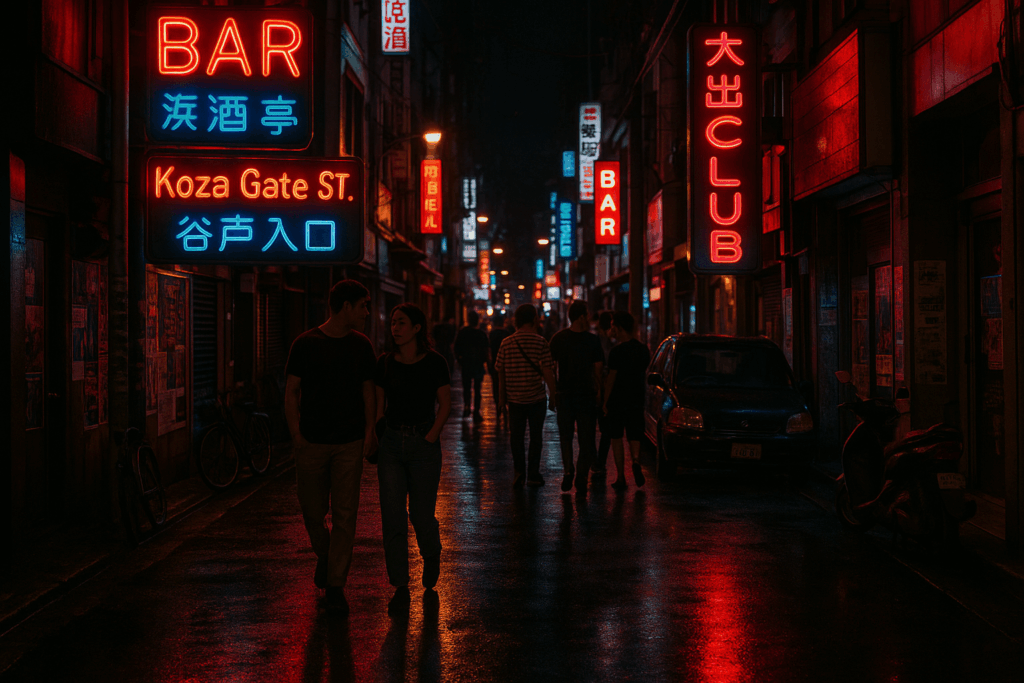
1. Koza Gate Street & BC Street (Park Avenue) — American Vibes & Nightlife
Right outside one of Kadena Air Base’s gates, Koza Gate Street and the nearby BC Street / Park Avenue form Okinawa City’s most famous entertainment zone. Neon signs in English, vintage bars, live music clubs, thrift shops, tattoo studios, burger joints, taco shops—it all feels half Okinawa, half small-town America. This is also one of the main stages for Eisa performances during festivals and street events.
• Approx Cost: Free to walk; drinks from ¥500–¥800; meals ¥1,000–¥2,500+
• Must Do: Bar-hop, listen to live rock/jazz/reggae, try local taco rice or burgers, explore side alleys
• Nearby Spots: Koza Music Town, Eisa Museum, Goza Gintengai arcade
• Best Time: Evening and night (after 7 PM) for live music and nightlife
• Vibe: Mixed local / American military/expat crowd, very “champuru”
2. Koza Music Town & Eisa Museum — Heart of Music & Eisa Culture
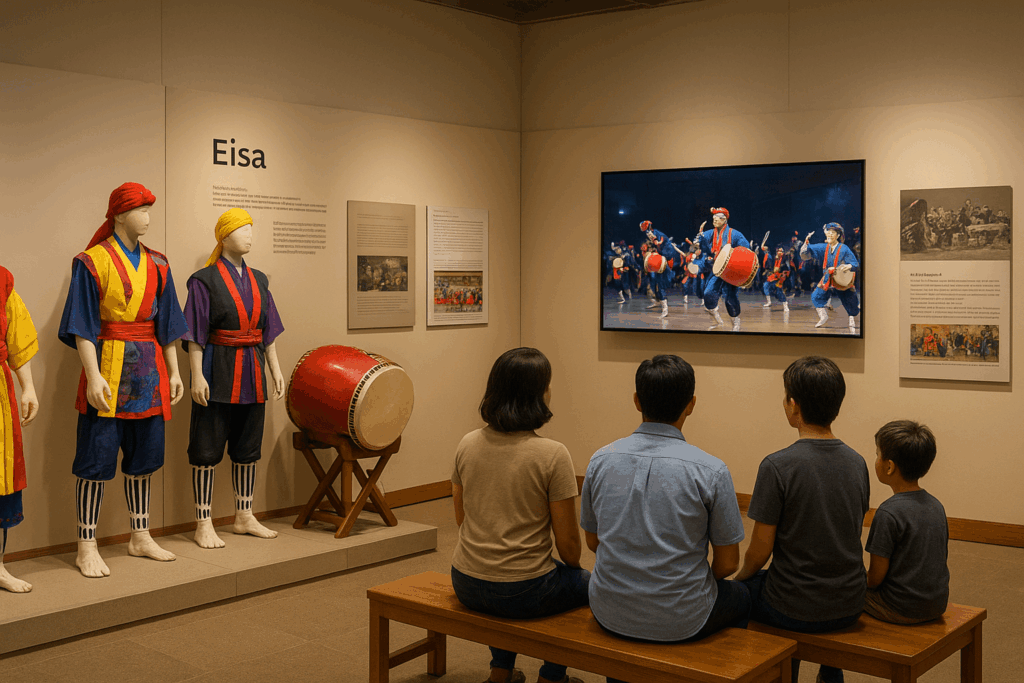
Koza Music Town is a multi-purpose music complex that includes live houses, rehearsal studios, and shops. Inside the complex you’ll find the Eisa Museum (Eisa Hall), dedicated to Eisa, the powerful traditional drum dance performed during Obon. Here you can learn the history of Eisa, see costumes, watch archive videos, and sometimes join hands-on experiences like basic moves or costume try-ons.
• Approx Cost:
- Music Town building: free to enter common areas
- Eisa Museum: small entrance fee (around ¥200–¥500) or free for some events
• Must See: Eisa costumes and drums, performance videos, exhibits on Koza’s music history
• Nearby Spots: Koza Gate Street, Koza Sports Park, Plaza House (short drive)
• Best Time: Daytime for museum + evening for live shows
3. Southeast Botanical Gardens — Tropical Green Oasis
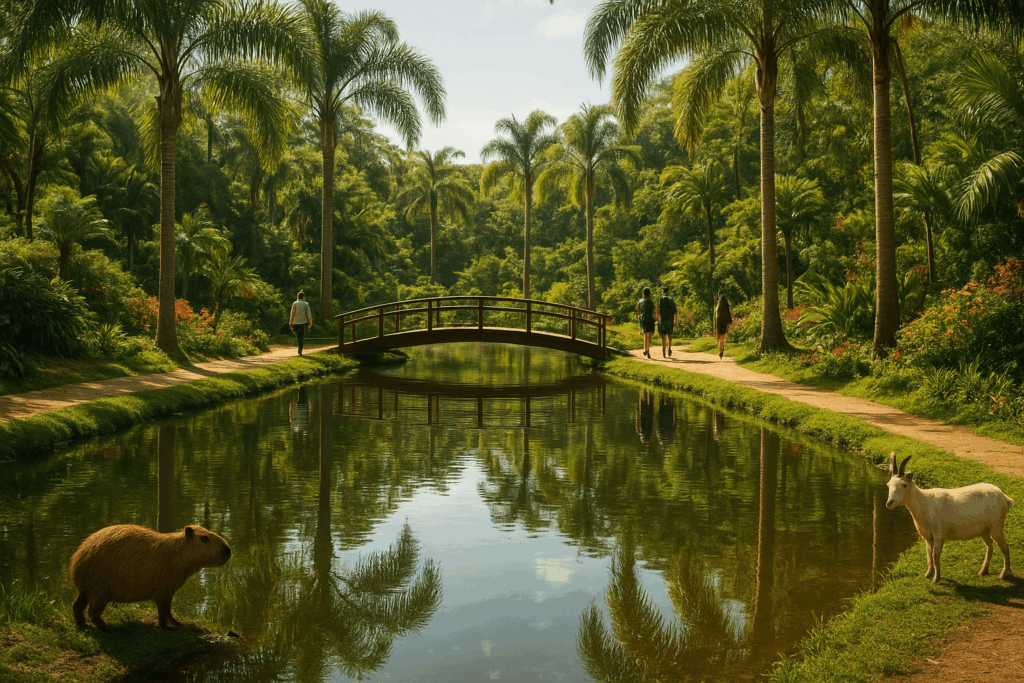
Southeast Botanical Gardens is a large botanical and animal park on the outskirts of Okinawa City, with palm-lined ponds, flower gardens, rare plants (including dragon blood trees), and interactive animal areas such as petting zones, capybaras, goats, and bird shows. At night, seasonal illumination events turn the gardens into a light-up wonderland.
• Admission (adult day ticket): Around ¥1,540–¥2,000+ depending on time and ticket type (kids cheaper)
• Recommended Time: 2–3 hours (longer if you have kids)
• Must See: Lakes and bridges, dragon blood tree grove, petting areas, seasonal illuminations
• Nearby Spots: Awase area (short drive), central Okinawa City by car/bus
• Best Time: Afternoon for gardens; evening if visiting illuminations
4. Okinawa Zoo & Museum — Family Spot with Local Wildlife
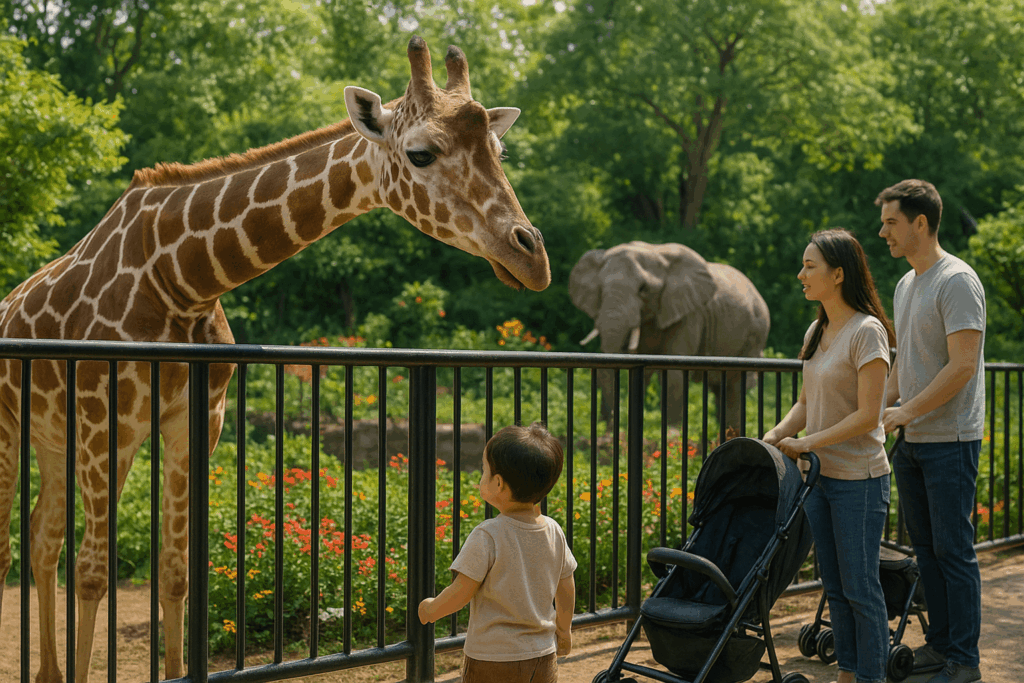
Okinawa Zoo & Museum is Japan’s southernmost zoo complex and the only full zoo in Okinawa Prefecture. It combines a zoo with over 150–200 species of animals, including elephants, lions, local Ryukyu species, and farm animals, plus the Wonder Museum, an interactive children’s science/museum area with hands-on exhibits and workshops. It’s designed around “enjoy experience and learning” and is very popular with families.
• Admission (zoo): Around ¥900–¥1,000 for adults; children under ~15 often free or very cheap (check latest)
• Wonder Museum: Small extra fee for adults (around ¥200) on top of zoo entrance
• Recommended Time: 2–4 hours with kids
• Must See: Local Ryukyu animals, children’s Wonder Museum, small rides and playgrounds
• Best For: Families, animal lovers, rainy or cloudy days
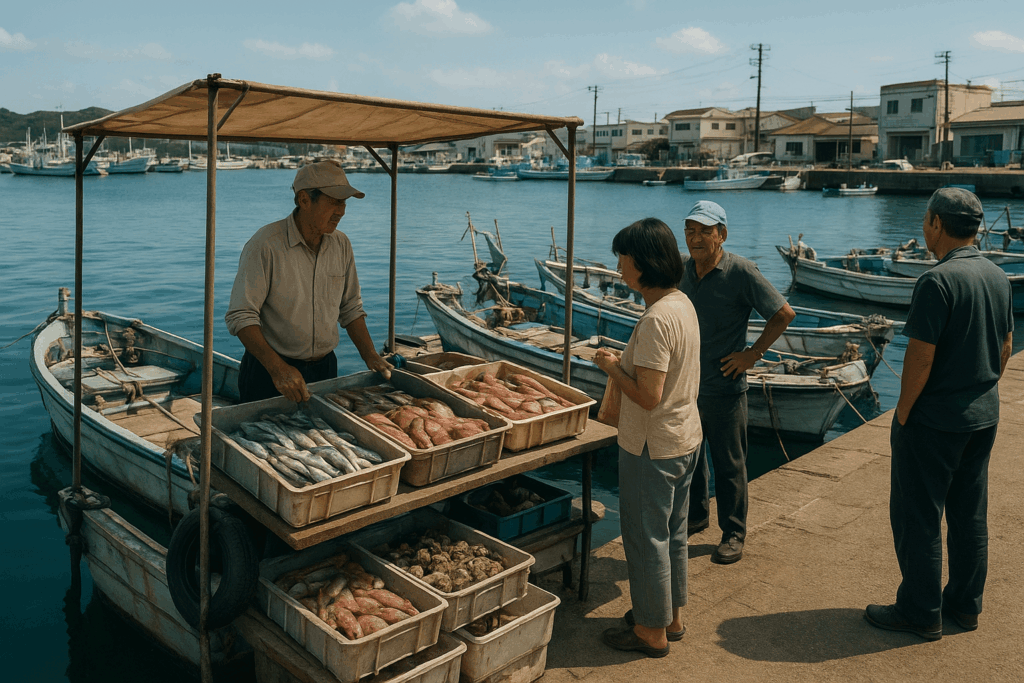
5. Awase Bay & Awase Fishing Port (Payao Market) — Local Seafood & Quiet Sea
On the city’s east coast, Awase Bay offers calm waters, small marinas, boardwalks, and sea views. The area around Awase Fishing Port is known for fresh seafood markets like Payao fresh seafood shop, where locals buy fish, shellfish, and other marine products. It’s a nice place to see daily life, try local seafood dishes, and enjoy a more relaxed seaside atmosphere compared to big resort beaches.
• Approx Cost: Free to walk; seafood meals around ¥1,000–¥2,500
• Must Do: Walk along the port, browse fresh seafood, eat at a simple fish canteen or nearby restaurants
• Nearby Spots: Awase residential area, Awase Bay Street hotels, easy drive to central Koza
• Best Time: Morning for market feel; late afternoon for breeze and sunset over the bay
6. Plaza House Shopping Center — Retro Mall with International Feel
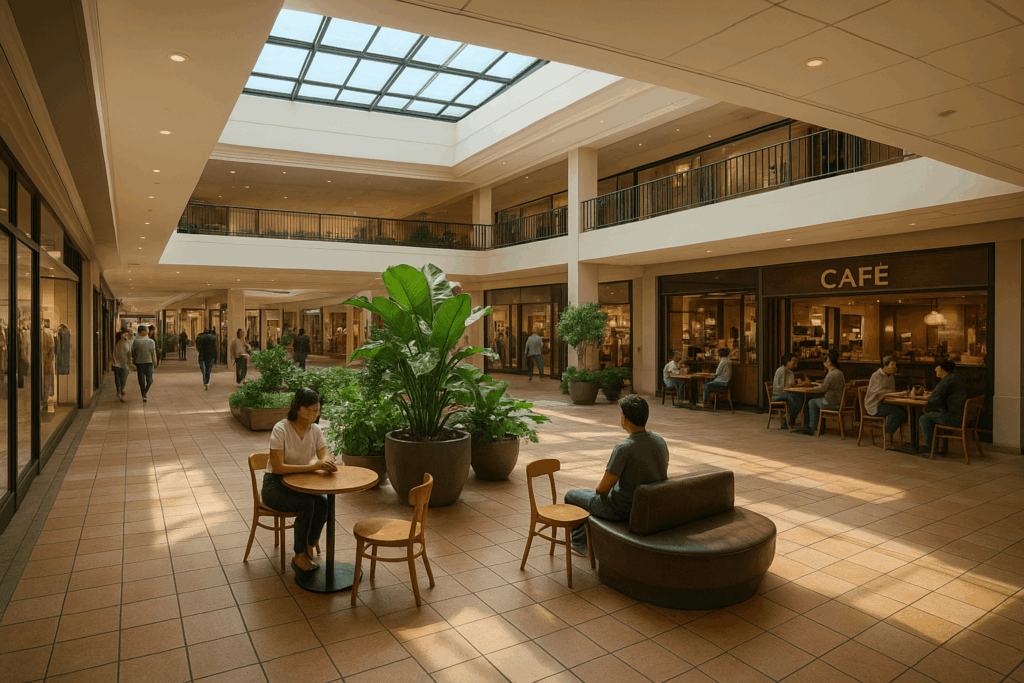
Opened in 1954, Plaza House Shopping Center is said to be Japan’s first shopping center, originally built under U.S. administration to serve American soldiers and families. Today, it’s a mid-century style mall with fashion boutiques, imported goods, cafés, restaurants, and Okinawan souvenir shops. The three-story atrium and corridor layout still carry a slightly retro, international atmosphere.
• Approx Cost: Free to enter; shopping and meals vary
• Must See: Mid-century style architecture, imported fashion stores, Okinawan product shops
• Nearby Spots: Koza Gate Street (about 6–10 minutes by car), residential neighborhoods
• Best Time: Afternoon for shopping and café breaks
7. Okinawa City Hall Observation Deck — City & Ocean View
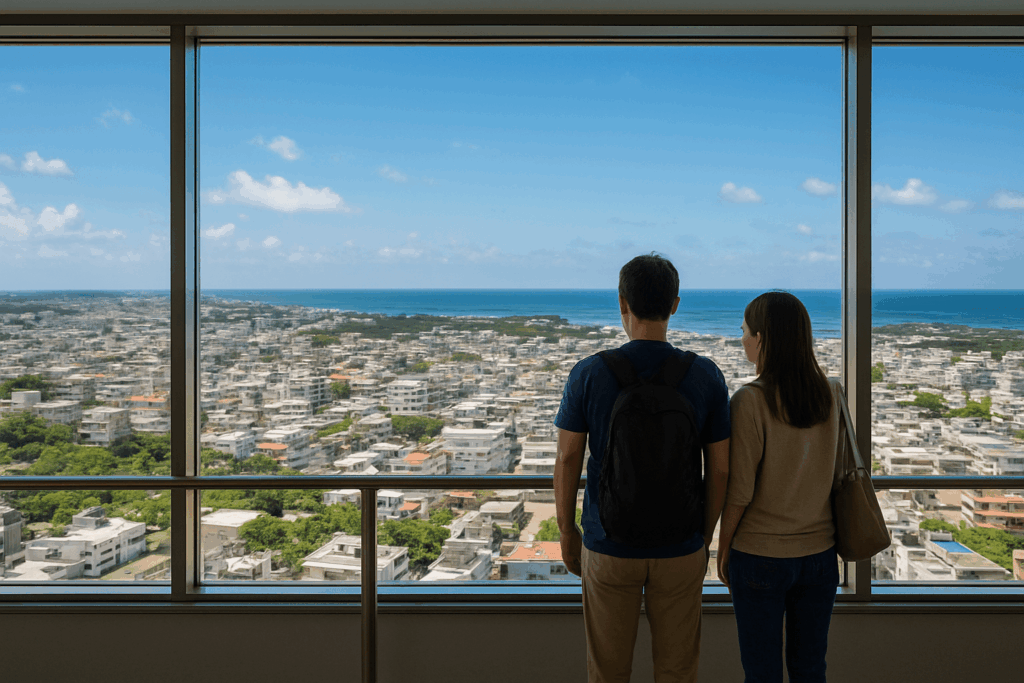
Okinawa City Hall’s tower includes an observation deck where you can get a free (or very low-cost) panoramic view across Okinawa City, Kadena Air Base, and out toward the Pacific Ocean on a clear day. It’s not a tourist trap—more like a hidden local viewpoint, so it’s usually quiet and relaxed.
• Approx Cost: Often free or a token fee (confirm at city hall)
• Must See: View over city streets, coast in the distance, base runways, surrounding hills
• Nearby Spots: Central administrative area, Koza district by short bus/taxi ride
• Best Time: Clear daytime or late afternoon for best visibility
8. Koza Sports Park & Okinawa Arena — Events, Festivals & Eisa
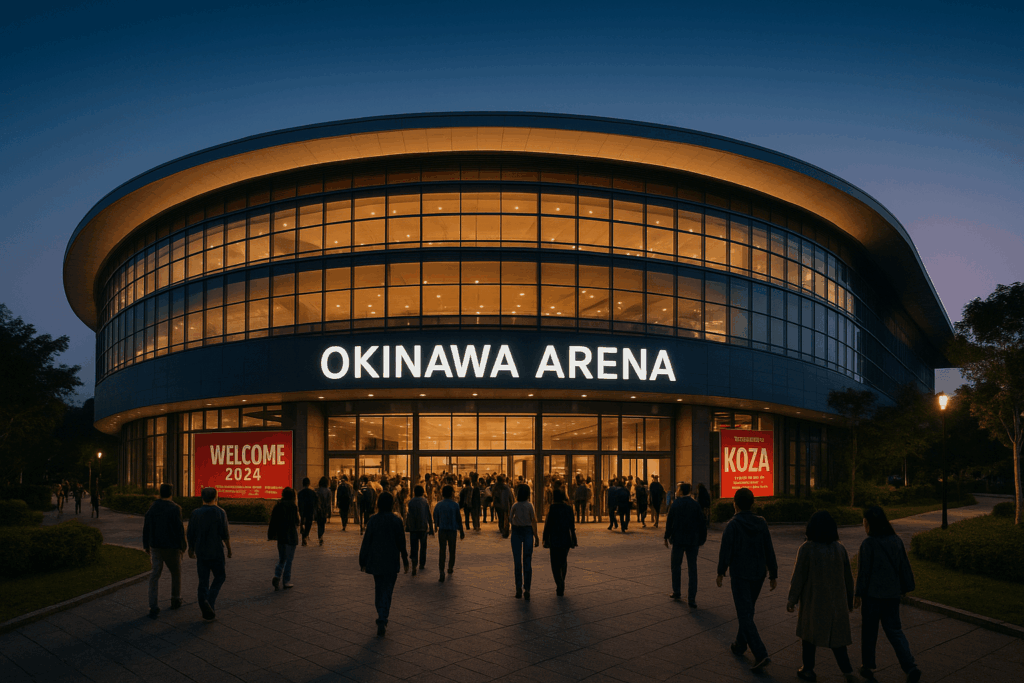
Koza Sports Park is a large sports and event complex often used for local sports, festivals, and notably the All-Okinawa Eisa Festival, which draws huge crowds for Eisa performances every year. Nearby Okinawa Arena is a modern indoor arena used for concerts, basketball, and big events, quickly becoming a landmark venue.
• Approx Cost: Free to walk around outside; event tickets vary widely
• Must Do: Check if your trip coincides with Eisa festivals, concerts, or sports events
• Nearby Spots: Koza Music Town, Gate Street, local restaurants
• Best Time: Event days and evenings; check schedules in advance
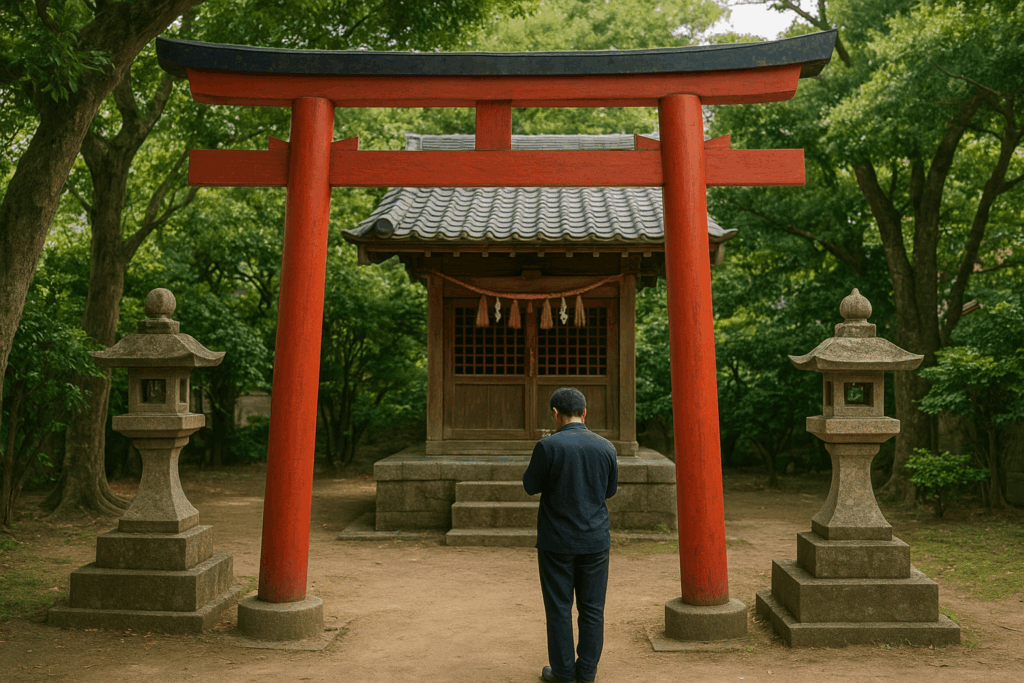
9. Awase Shrine & Coastal Walks — Quiet Local Spiritual Spot
Awase Shrine is a smaller, local Shinto shrine in the Awase area, close to residential streets and the coastline. It’s not as grand as big mainland shrines, but it gives a nice look at local religious life, with torii gates, stone lanterns, and a peaceful atmosphere. Combine a short visit here with a walk along nearby coastal roads or small parks.
• Approx Cost: Free entry
• Must See: Torii gate, main hall, simple shrine grounds, nearby trees and small parks
• Nearby Spots: Awase Bay, local cafés and seafood spots
• Best Time: Morning for quiet atmosphere
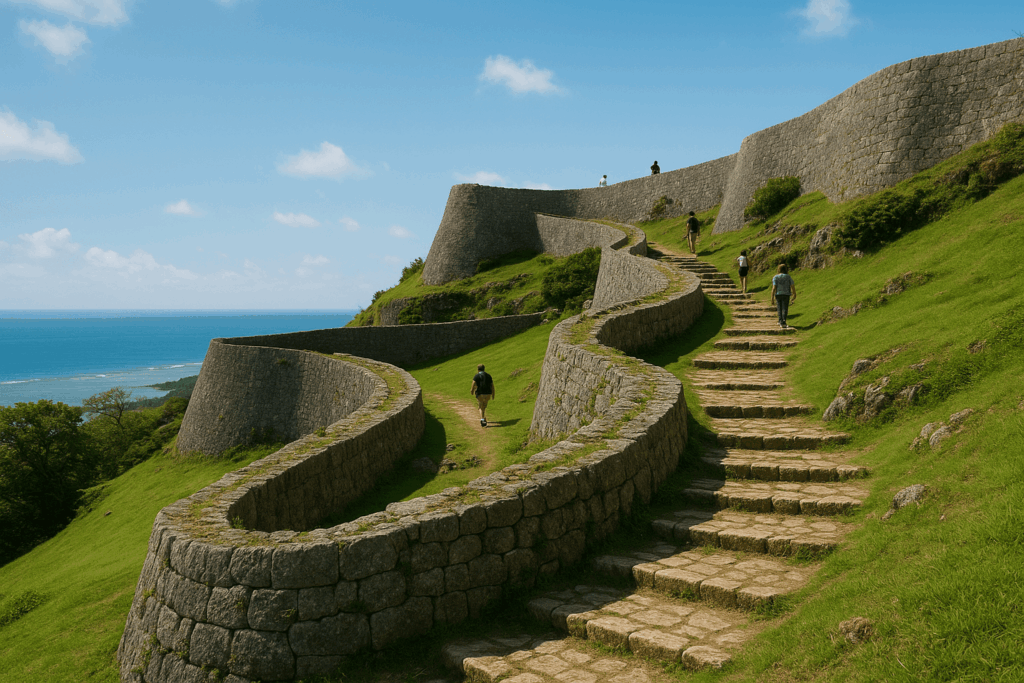
10. Nakagusuku Castle Ruins (Near Okinawa City) — UNESCO Heritage Stone Walls
While technically located in nearby Kitanakagusuku village, Nakagusuku Castle Ruins sit not far from Okinawa City and make a great half-day trip. These Ryukyu castle remains stand on a hill about 160 meters above sea level with layered stone walls and sweeping views of both the Pacific side and the East China Sea. Entrance is inexpensive and you get an English pamphlet with history and layout.
• Admission: Around ¥400–¥500 for adults
• Access: About 30–40 minutes by car from Okinawa City (easiest by rental car or taxi)
• Recommended Time: 1–1.5 hours exploring ruins and viewpoints
• Best Time: Clear afternoons for long-distance sea views; not recommended in heavy rain or strong sun without hat/water
How to Travel Around Okinawa City Efficiently
Unlike big mainland cities with dense rail systems, Okinawa’s main island—including Okinawa City—relies on buses, cars, and walking. There’s no train or monorail directly to Okinawa City; the monorail stops in Naha. So you’ll mostly combine bus + taxi or rental car.
Best Transport Options
From Naha / Naha Airport:
By Highway / Local Bus:
- Take bus No. 23 (Gushikawa Line) from Naha Bus Terminal to Goya stop in Okinawa City (about 1 hour).
- Other local buses also run along Route 329/330 to central Okinawa City.
By Airport Limousine / Shuttle Buses:
Several airport limousine and shuttle buses connect Naha Airport with resort areas in central/northern Okinawa (Onna, Nago etc.). Some stop near or within central Okinawa City/nearby towns, depending on the route and hotel.
By Car:
Renting a car at Naha Airport and driving up Route 330 or the Okinawa Expressway is the most flexible option. Expect around 40–60 minutes depending on traffic.
Getting to Okinawa City
On Foot (Koza Area):
Koza Gate Street, Koza Music Town, Koza Sports Park, and some nearby streets are walkable from each other.
Local Buses:
Okinawa’s bus network is spread across the main island. Inside Okinawa City, buses connect Koza area, Awase, Plaza House, Southeast Botanical Gardens (with transfers), etc. The “Bus Map Okinawa” brochure and online map shows all bus routes and stops clearly.
Rental Car:
For Southeast Botanical Gardens, Awase Bay, Nakagusuku Castle, and moving freely at your own pace, a rental car is by far the easiest and most time-efficient option.
Taxis:
Useful for shorter hops (e.g., Koza → Plaza House → Awase) or getting back to your hotel at night after bars.
Approximate Transportation Costs
• Local Bus Ride (within central area): About ¥240–¥450 depending on distance.
• Naha → Okinawa City (Goya) by bus: Around 1 hour, roughly ¥800–¥1,100 depending on type of bus and route.
• Airport Limousine / Shuttle: Varies by destination; often around ¥1,500–¥2,500 one way to central/north resort areas. Some routes near Okinawa City may be within this range.
• Rental Car: Daily rate from roughly ¥4,000–¥8,000+ depending on season and size (plus fuel, tolls, parking).
Essential Travel Tips
• Consider a Car for Flexibility: Buses work, but they can be slow and less frequent, especially at night or for more “spread-out” places.
• Use Bus Map & Google Maps Together: Bus Map Okinawa + Google Maps makes navigating bus routes much easier.
• Check Last Bus Times: Nightlife in Koza runs late, but buses don’t—have taxi money ready if you plan to stay out.
• Drive Carefully: Many roads are narrow with lots of local traffic and U.S. base vehicles. Obey speed limits and parking rules strictly.
Food & Restaurant Suggestions in Okinawa City
Okinawa City is a food mixing bowl: Okinawa soba and goat dishes with a unique “Okinawa City style,” American diner food, taco rice, Peruvian and Indian restaurants, and more—thanks to residents from around 40 different countries.
Must-Try Local & Regional Specialties
Okinawa Soba (Soki Soba):
Thick noodles in a pork-based broth, topped with braised pork ribs (soki), green onions, and sometimes fish cake. Okinawa City has famous soba shops like Gabusoka Shokudo Koza Branch, Hikari Shokudo, and Ajidokoro Marunaga with their own flavors and broths.
Taco Rice & Tacos:
A symbol of Okinawa’s “champuru” culture: Mexican-style taco beef, lettuce, cheese, and salsa served on white rice. The Koza area is known for long-running taco/taco-rice shops, and some places have over 50 years of history with their own signature sauces.
Goat Dishes (Yagi Ryori):
Goat soup, sashimi, and stews are part of traditional Okinawan cuisine. Okinawa City is known for goat dishes with its own flavor style compared with other cities.
Chanpuru Dishes (Stir-Fries):
Goya chanpuru (bitter melon with tofu and egg), tofu chanpuru, and other stir-fried plates reflect local home-style food.
Seafood from Awase:
Fresh fish, shellfish, and seasonal catches from Awase Fishing Port show up in local restaurants and markets like Payao.
Budget-Friendly Restaurants (¥500–¥1,500 per meal)
Okinawa Soba Shops (e.g., Gabusoka Shokudo, Hikari Shokudo, Ajidokoro Marunaga):
Bowls of soba from about ¥700–¥1,000; add side dishes or rice for a bit more.
Koza Diner-Style Places & Fast Food:
Burgers, plate lunches, fried chicken, and taco rice in the ¥700–¥1,200 range.
Awase Area Simple Seafood Eateries:
Lunch sets from roughly ¥900–¥1,500 with rice, miso soup, and fresh fish (prices vary by catch).
Convenience Stores & Supermarkets:
Onigiri, bento boxes, bread, salad, and drinks for quick cheap meals—perfect for beach or park picnics.
Vegetarian & Vegan Options
Okinawa City has a lot of meat and seafood, but you can still manage:
Indian / Asian Restaurants:
- Usually have veg curries, dal, naan, rice dishes.
Cafés & Western-Style Places:
- Salads, pasta, pizza, vegetable stir-fries can often be made without meat if you ask.
Local Dishes to Adapt:
- Chanpuru dishes, tofu-based plates, and some soba can be made more vegetarian if you request no pork broth or meat toppings—though full vegan can still be tricky.
Convenience Stores:
- Onigiri with umeboshi or kombu, salads, fruit, nuts, simple bread for backup.
Approximate Budget for a Day in Okinawa City
Okinawa City is generally cheaper than big mainland cities, but total cost depends heavily on whether you rent a car and how much you party at night.
(Accommodation is not included in the daily totals below, since that varies by hotel type and booking.)
Daily Budget Breakdown
Food & Dining: ¥1,500–¥6,500
• Breakfast: ¥400–¥900 (conbini, bakery, or hotel)
• Lunch: ¥700–¥1,800 (soba, taco rice, seafood set)
• Dinner: ¥1,000–¥3,500 (izakaya, Koza restaurant, bar snacks)
• Snacks & Drinks: ¥300–¥1,300 (coffee, bubble tea, desserts, extra tacos, vending machines)
Transportation (Within Okinawa Main Island): ¥600–¥4,000
• Bus-Only Day (no car):
- Local & intercity buses: ¥600–¥1,500 (depending on trips to Naha/around city)
• Car Day:
- Rental car share of daily cost: ~¥4,000–¥8,000 total per car, so per person depends on group size
- Fuel & parking: add maybe ¥500–¥1,500 per day per car
Attractions & Activities: ¥0–¥4,500+
• Southeast Botanical Gardens: ~¥1,540–¥2,000 adult
• Okinawa Zoo & Museum: ~¥900–¥1,000 adult
• Eisa Museum: small fee (around a few hundred yen)
• Nakagusuku Castle: ~¥400–¥500 adult
• Koza Night Tour or live music events: prices vary widely by venue
Shopping & Souvenirs: ¥1,000–¥10,000+
• Small souvenirs & snacks (t-shirts, awamori, sweets, local crafts): ¥1,000–¥3,000
• Fashion & imported goods at Plaza House & Koza: ¥3,000–¥10,000+
Nightlife & Drinks: ¥0–¥6,000+
• One or two drinks + light food: ¥1,500–¥3,000
• Full bar hopping night with cocktails and live music: ¥3,000–¥6,000+ depending on style
Money-Saving Tips for Smart Travelers
• Base Yourself in Koza: You can walk to many bars, music venues, and some sights from a Koza-area hotel, reducing taxi/bus costs.
• Use Buses for Long Jumps, Walk for Short: Bus from Naha or between far areas, then walk around each district to avoid short taxi fares.
• Lunch Instead of Dinner: Try more expensive dishes (seafood, special Okinawan cuisine) at lunch, when set menus are often cheaper.
• Share Car Costs: If you’re in a group, a rental car divided by 2–4 people is often cheaper and way more flexible than buses + taxis.
• Focus on Free Street Culture: Koza Gate Street, BC Street murals, Awase seaside walks, and city views from public spots are free and give a lot of atmosphere.
• Conbini Strategy: Convenience store breakfasts and drinks free up more budget for a nice dinner or extra live music cover charge at night.
Okinawa City is perfect if you want music, late-night streets, and real local life, not just resort pools—drums echoing from practice halls, neon over old bars, children at the zoo, and sea breeze from Awase Bay all in one compact city. If you’d like, next I can do the same full-size format for “Naha City” or “Ishigaki City”, so your “Journey Japan” site covers both mainland and island-style Japan in a consistent way.