
Sumo Wrestling Tournament: Japan’s Legendary National Sport
Sumo wrestling is Japan’s oldest and most sacred sport, where strength meets tradition. Watching a Grand Sumo Tournament is not just a match but a powerful cultural experience filled with rituals, discipline, respect, dramatic tension, roaring crowds, ceremonial movements, and raw energy that reflects the spirit and heritage of Japan.
Sumo Wrestling Tournament: Japan’s Legendary National Sport
Sumo wrestling is Japan’s national sport, with a history that goes back over 1,500 years. It is deeply connected to Shinto religion, traditional rituals, and Japanese discipline. Unlike modern sports, sumo is not only about physical power — it is also about honor, respect, and spiritual balance.
The highest-level sumo competitions are known as Grand Sumo Tournaments (Honbasho). These tournaments attract huge crowds, both Japanese and international tourists, who come to witness this ancient sport live.
Spiritual Roots & Rituals of Sumo
Before every match, you will see many unusual rituals that make sumo very special:
• Wrestlers throw salt into the ring to purify it
• They stamp their feet to drive away evil spirits
• They clap their hands to show respect to the gods
• They stare intensely at each other before charging
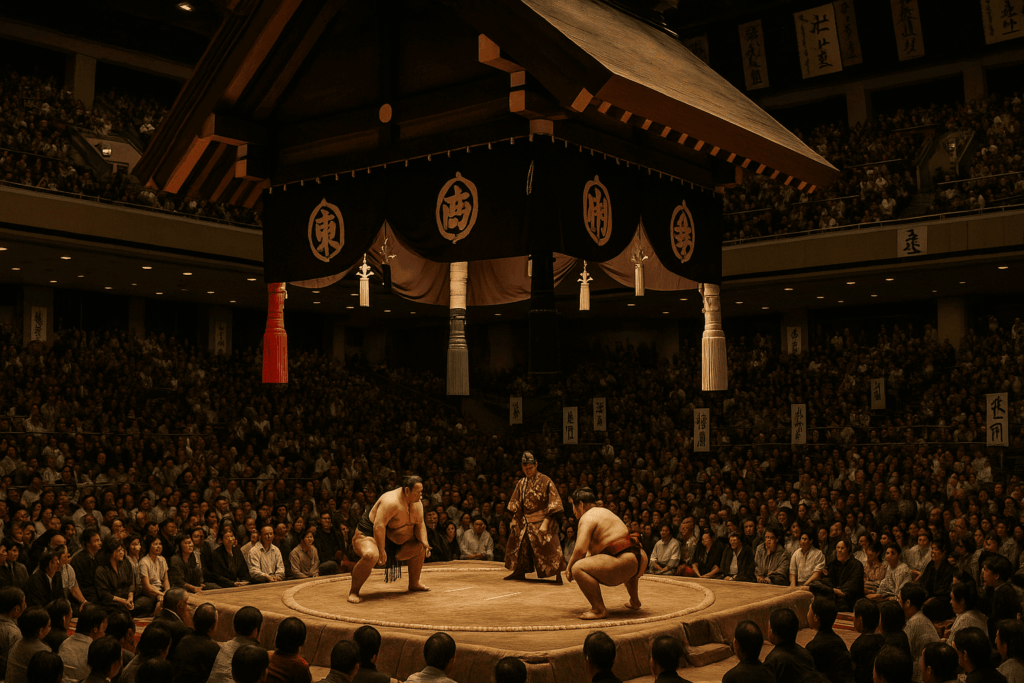
The ring itself, called the Dohyo, is considered sacred. These rituals show that sumo is not just entertainment — it is a living religious tradition.
Grand Sumo Tournament Locations & Schedule
Japan holds six official Grand Sumo Tournaments every year:
• January – Tokyo
• March – Osaka
• May – Tokyo
• July – Nagoya
• September – Tokyo
• November – Fukuoka
Each tournament lasts 15 days, and the wrestler with the best record becomes the champion. The most famous arena is the Ryogoku Kokugikan in Tokyo, which is known as the heart of sumo wrestling.
Sumo Wrestlers & Their Powerful Lifestyle
Sumo wrestlers, called Rikishi, live a very strict life:
• They wake up before sunrise for training
• Follow strict discipline and hierarchy
• Eat high-calorie traditional food like Chanko Nabe
• Train for strength, balance, and speed
The highest-ranked wrestler is called a Yokozuna. Becoming a Yokozuna is extremely rare and requires not just strength, but perfect behavior, discipline, and honor.
Sumo wrestlers are respected like cultural warriors in Japanese society.
What Happens During a Sumo Match?
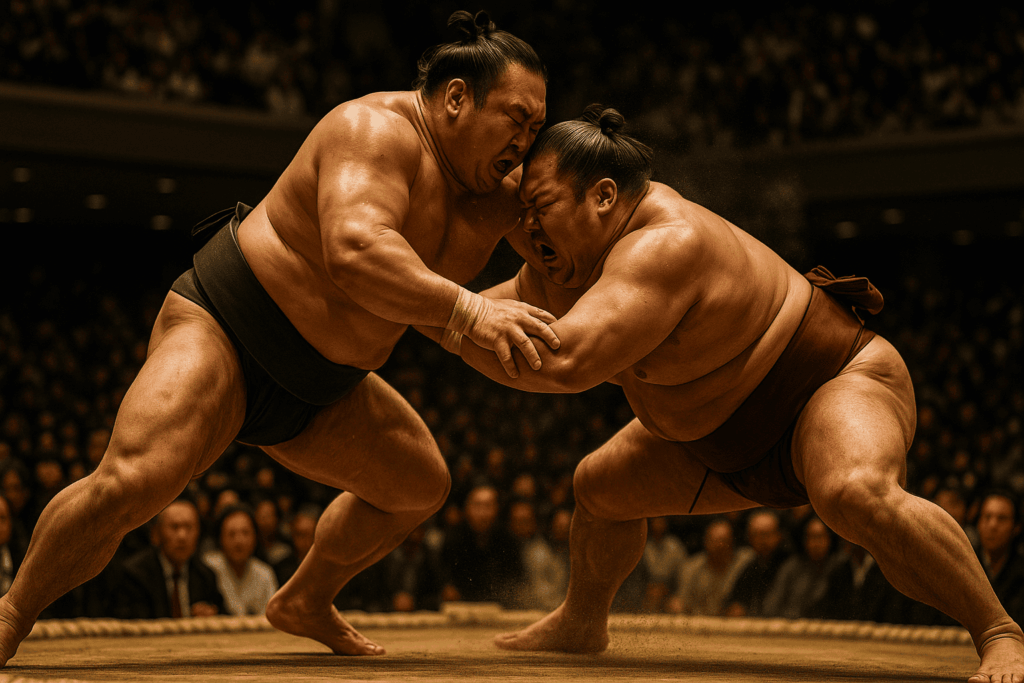
A sumo match is short but extremely intense. The goal is simple:
• Push the opponent out of the ring
• Or make any part of their body except the feet touch the ground
Most matches last only a few seconds, but those few seconds are filled with explosive power, technique, and strategy. The crowd reacts loudly, and the tension is unforgettable.
Tournament Atmosphere for Tourists
Watching sumo live is a dream experience for many visitors. The atmosphere inside the arena is electric:
• Loud crowd cheers
• Traditional Japanese announcers
• Colorful sponsor banners carried around the ring
• Bentos, snacks, and souvenirs everywhere
Tourists can choose:
• Box seats (sit on floor cushions)
• Chair seats (stadium style)
Even people who don’t understand Japanese can fully enjoy the energy and power of the matches.
Why Tourists Love Sumo Wrestling Tournaments
• Deep connection with ancient Japanese culture
• Rare chance to watch world-class traditional sport
• Powerful photography moments
• Spiritual rituals + real competition
• Unique food and merchandise
• Once-in-a-lifetime cultural experience
Sumo is one of the few traditions in the world that has stayed almost unchanged for centuries.
Conclusion
The Sumo Wrestling Tournament is not just a sport — it is a living symbol of Japan’s history, spirituality, and warrior spirit. From sacred rituals and disciplined wrestlers to explosive matches and emotional crowd reactions, every moment feels powerful and authentic. If you want to experience the true strength of Japanese tradition, watching a Grand Sumo Tournament is an unforgettable highlight of your Journey Japan adventure.