
Yokohama: Japan’s Stylish Port City of Culture, Food, and Sea Views
Yokohama, Japan’s second-largest city, offers a relaxed yet sophisticated coastal atmosphere just 30 minutes from Tokyo. Known for its open spaces, waterfront views, and multicultural history, the city blends modern towers with historic streets, red-brick warehouses, and Japan’s largest Chinatown. Visitors can enjoy Minato Mirai’s illuminated bay, explore the Ramen Museum, stroll through Sankeien Garden, or watch ships at Osanbashi Pier. This guide helps first-time travelers navigate neighborhoods, food spots, transportation, budgets, and memorable experiences in this welcoming port city.
Top 10 Must-Visit Places in Yokohama
Yokohama’s attractions are concentrated around the waterfront and a few key districts, making it very easy to explore without rushing. Below are 10 essential places that reveal the city’s modern style, international history, scenic views, and unique food culture. You don’t need to follow these in strict order—just choose the areas that match your interests and enjoy exploring at your own pace.
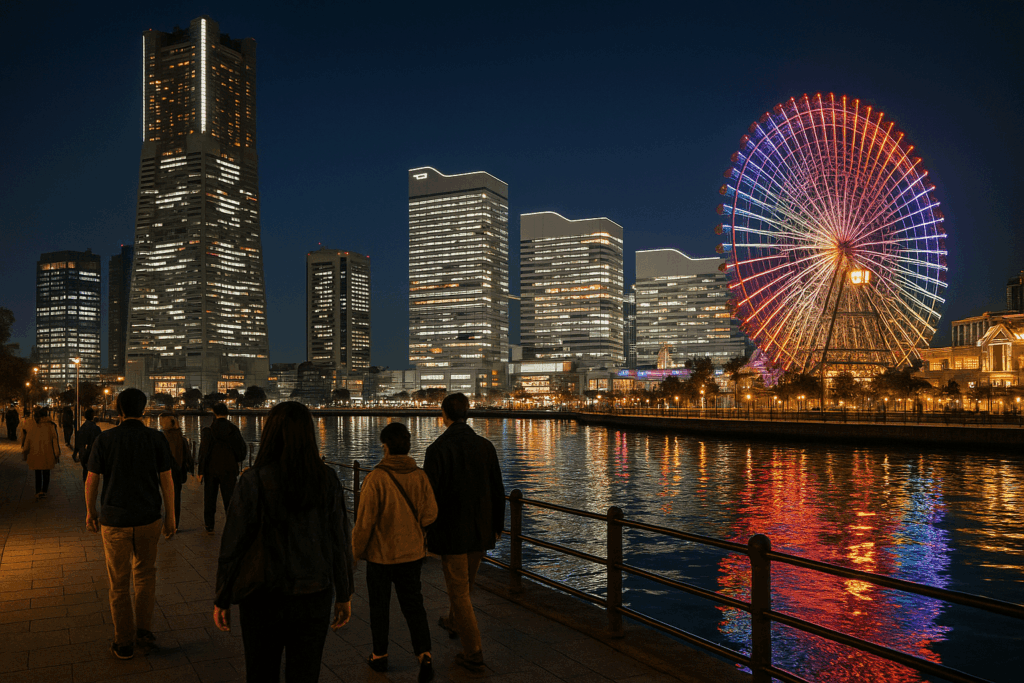
1. Minato Mirai 21 — Futuristic Waterfront Skyline
Minato Mirai 21, meaning Harbor of the Future, is Yokohama’s iconic waterfront district filled with skyscrapers, malls, museums, hotels, and parks along the bay. Landmark Tower and the glowing Cosmo Clock Ferris wheel shape the famous night skyline. Wide promenades invite evening walks, with reflections on the water. Visitors can enjoy harbor cruises, MARK IS mall, and Pacifico Yokohama nearby.
• Approx Cost: Free to walk around (shopping, dining, and observation deck extra)
• Must Visit: Landmark Tower Sky Garden, Cosmo World, Queens Square, MARK IS Minatomirai
• Nearby Spots: Yokohama Museum of Art, Nippon Maru & Yokohama Port Museum
• Best Time: Late afternoon to night for sunset and city lights
• Photo Spot: Waterfront promenade near the Red Brick Warehouse and Kishamichi Promenade for skyline views
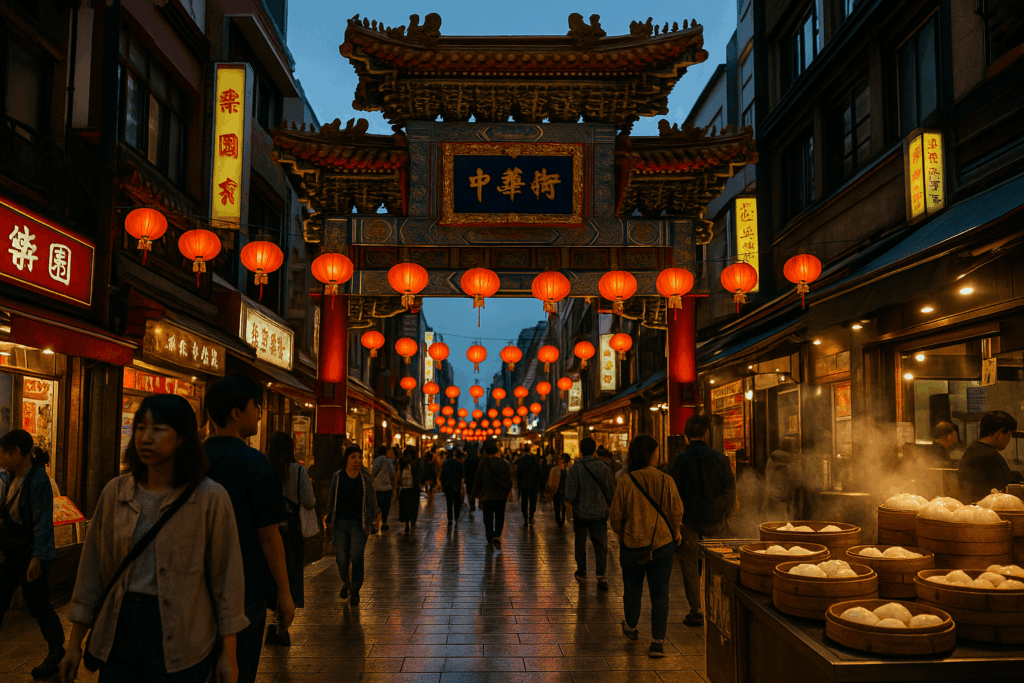
2. Yokohama Chinatown — Japan’s Largest Chinatown
Yokohama Chinatown is Japan’s largest and one of the world’s biggest, packed with hundreds of restaurants, shops, and lantern-lit streets. Colorful paifang gates and ornate temples add cultural charm. It’s the best place for street food like pork buns, dumplings, sesame balls, and bubble tea, or full Chinese meals. At night, red lanterns and neon signs create a magical buzz.
Approx Cost: Free to explore (meals typically ¥800–¥3,000)
Must Try Food: Nikuman (steamed meat buns), shumai, mapo tofu, Peking duck, tapioca drinks
Nearby Spots: Motomachi Shopping Street, Yamashita Park, Minato Mirai (short walk or one station)
Best Time: Late afternoon to evening when lights and lanterns turn on
Tip: Weekends and holidays are very crowded—visit on weekdays if you prefer a calmer experience
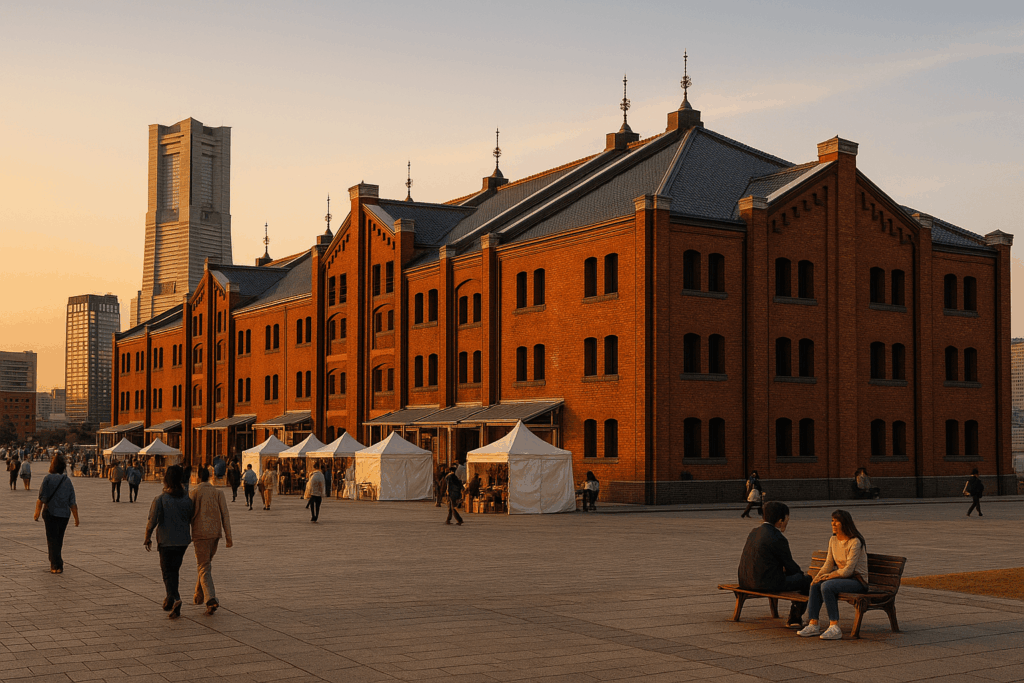
3. Yokohama Red Brick Warehouse — Historic Port Charm
The Yokohama Red Brick Warehouse is a pair of restored early-20th-century port buildings now home to boutique shops, cafés, restaurants, and event spaces. A wide seaside plaza hosts seasonal events like Christmas markets, beer festivals, strawberry fairs, and winter skating. With red brick walls and the Minato Mirai skyline behind, it is one of Yokohama’s photogenic and lively waterfront attractions.
• Approx Cost: Free to enter the buildings (shopping and food costs vary)
• Best Season: Winter for Christmas Market and illuminations, spring and autumn for outdoor events
• Nearby Spots: Osanbashi Pier, Cup Noodles Museum, Minato Mirai waterfront
• Recommended Visit Time: 1–2 hours for shopping, photos, and a café stop
• Atmosphere: Relaxed during the day, romantic and scenic at night
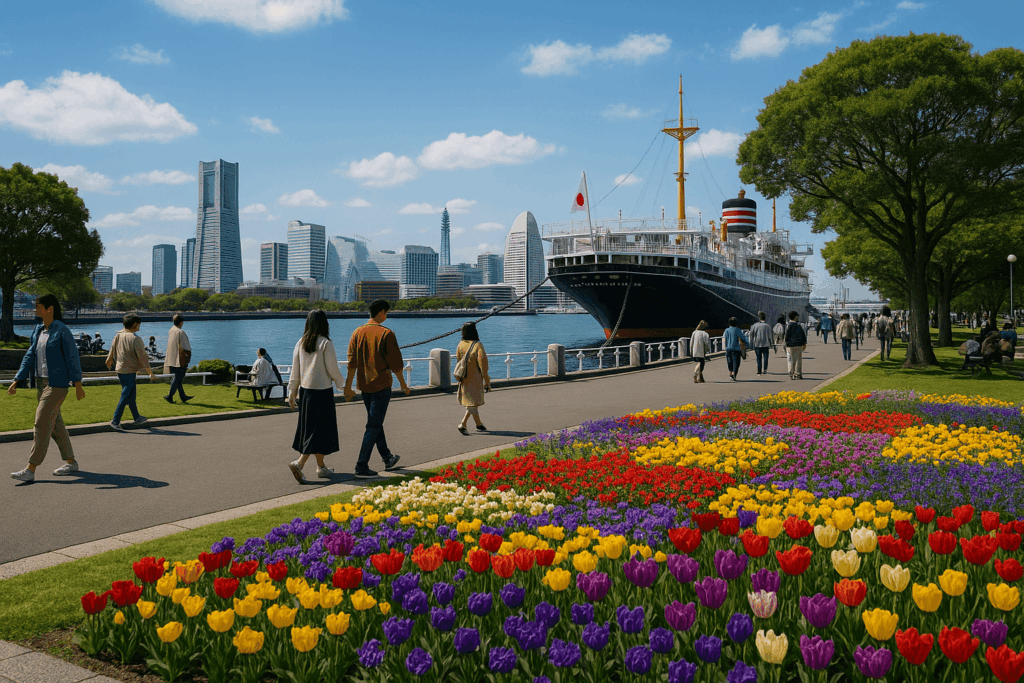
4. Yamashita Park — Classic Seaside Promenade
Opened in 1930 as Japan’s first seaside park, Yamashita Park runs along Yokohama’s waterfront with open lawns, flower beds, fountains, and a wide bay-facing promenade. Visitors enjoy views of Osanbashi Pier, passing cruise ships, and the historic Hikawa Maru museum ship. The park is perfect for relaxed walks, picnics, and harbor photos, especially in spring and early summer each year.
• Approx Cost: Free entry
• Must See: Flower beds, fountains, views of Osanbashi Pier and Hikawa Maru, harbor vistas
• Nearby Spots: Chinatown, Motomachi Shopping Street, Osanbashi Pier
• Best Time: Late afternoon towards sunset or early morning for calm atmosphere
• Family-Friendly: Plenty of benches, open space for kids, and easy flat paths
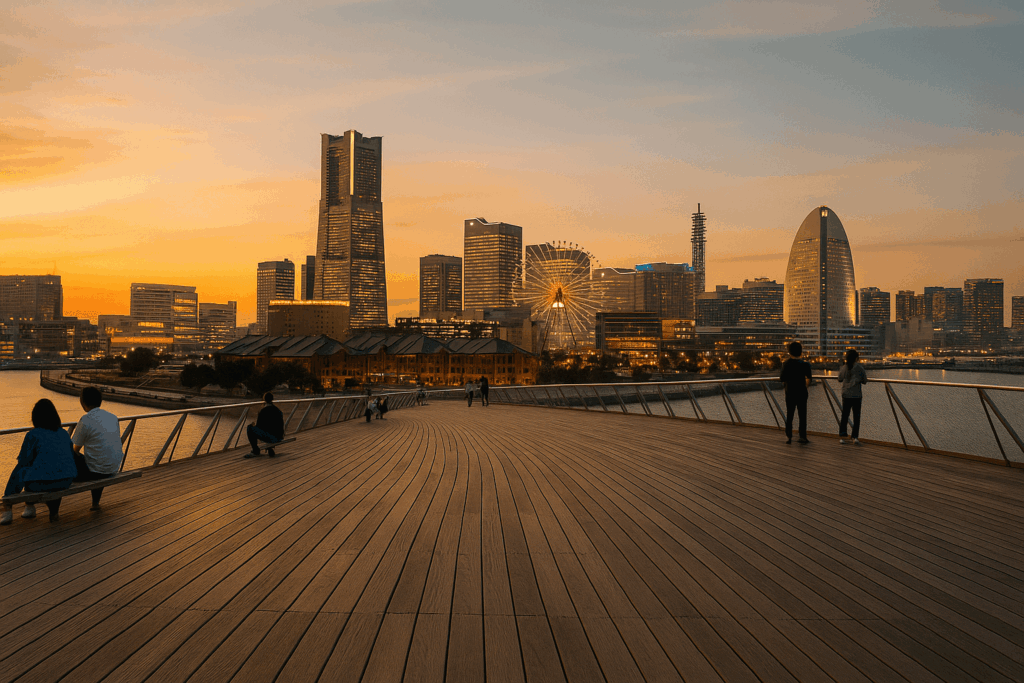
5. Osanbashi Pier — Best Panoramic View of Yokohama Bay
Osanbashi Pier, officially the Yokohama International Passenger Terminal, is a uniquely designed cruise terminal and rooftop park with sweeping wooden decks shaped like ocean waves. The open-air space offers panoramic views of Minato Mirai’s skyline, the Red Brick Warehouse, Yamashita Park, and docked cruise ships. Loved by couples and photographers, it’s perfect for sunset strolls, sea breezes, and city-and-bay views.
• Approx Cost: Free to visit the rooftop deck
• Best Time: Sunset to night for romantic views and city lights
• Nearby Spots: Yamashita Park, Red Brick Warehouse, Minato Mirai
• Atmosphere: Calm, spacious, perfect for sitting and relaxing
• Tip: Bring a light jacket—sea breeze can be cool even in warmer seasons
6. Sankeien Garden — Traditional Japan in the Port City
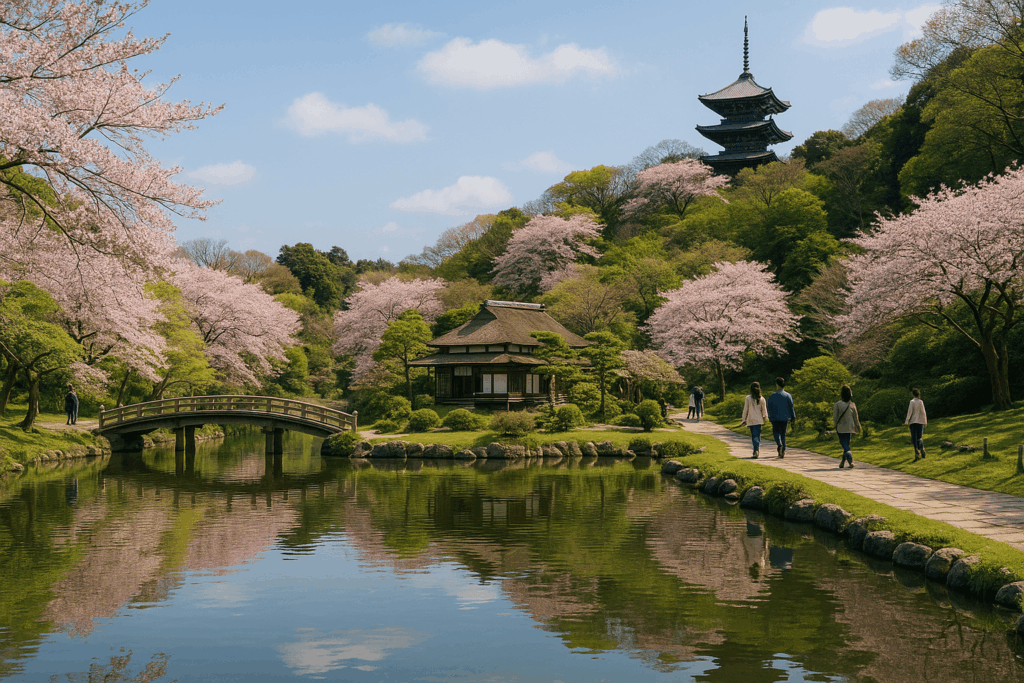
Sankeien Garden is a spacious traditional landscape garden offering a peaceful escape from Yokohama’s modern skyline. Serene ponds, stone bridges, tea houses, and historic buildings from Kyoto and Kamakura fill the grounds. Pagodas and old farmhouses sit among seasonal flowers, making it popular for cherry blossoms, summer greenery, lotus blooms, and fiery autumn leaves. It balances nature, history, and calm.
• Entry Fee: Around ¥700 (adults)
• Best Seasons: Late March–early April (cherry blossoms), early November–late November (autumn colors)
• Recommended Visit Time: 1.5–2 hours to walk the paths and explore historic buildings
• Nearby: Residential Negishi area (less touristy, very local vibe)
• Cultural Feel: Calm, traditional, ideal for photography and slow exploration
7. Yokohama Landmark Tower & Sky Garden — City from Above
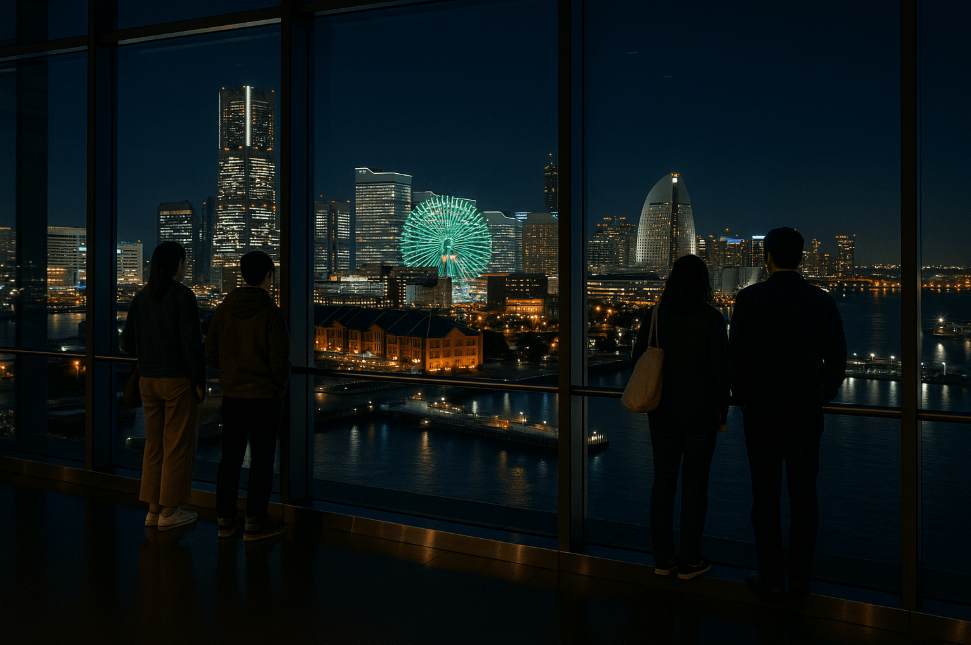
Yokohama Landmark Tower is one of Japan’s tallest buildings and the iconic symbol of Minato Mirai. High-speed elevators reach the Sky Garden observation deck on the 69th floor, where glass windows reveal sweeping views of Yokohama, Tokyo Bay, and, on clear days, Mount Fuji on the horizon. The tower also houses offices, a luxury hotel, restaurants, and shopping, forming a mini-city.
• Ticket Price: Around ¥1,000 for the Sky Garden observatory
• Best Time: Clear days for long-distance views; sunset and night for lights
• Nearby Spots: Queens Square, MARK IS, Minato Mirai Station, Nippon Maru ship museum
• Recommended Visit: 45–90 minutes depending on how long you enjoy the view
• Romantic Spot: Very popular with couples in the evening
8. Cup Noodles Museum Yokohama — Playful & Interactive
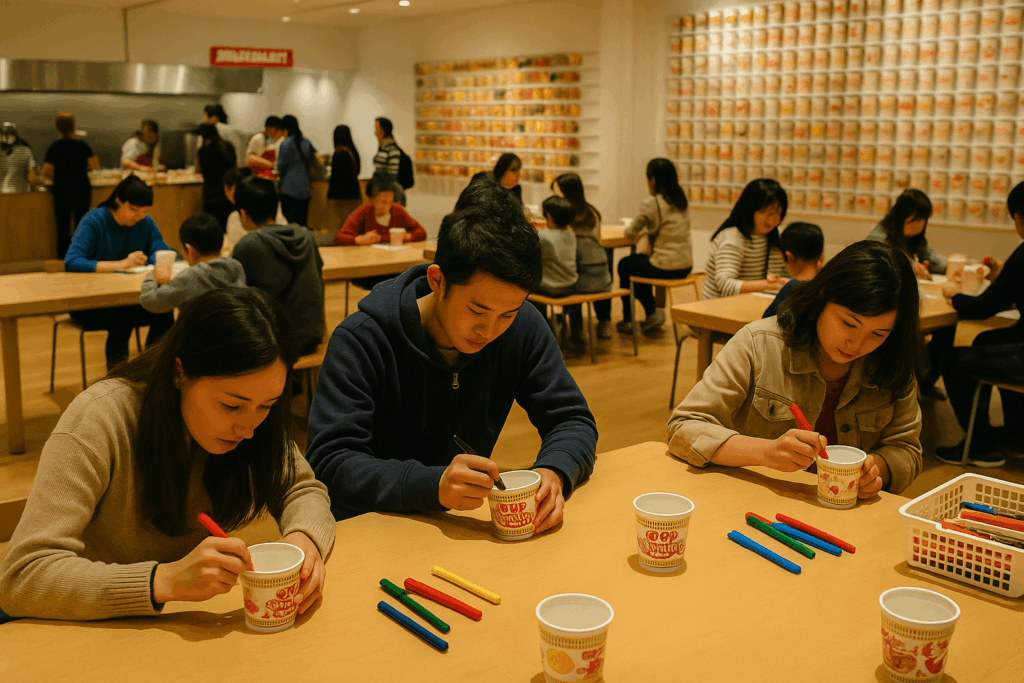
The CupNoodles Museum is a fun, interactive space celebrating instant ramen and its inventor, Momofuku Ando. Exhibits share the history of noodles, creative cup art, and hands-on workshops where visitors design their own Cup Noodles with custom soup and toppings. It is both educational and playful, making it popular with families, couples, and food lovers of all ages visiting Yokohama.
• Ticket Price: About ¥500 (adults), extra fee for “My Cup Noodles Factory”
• Recommended Visit Time: 1–1.5 hours
• Nearby Spots: Red Brick Warehouse, Osanbashi Pier, Minato Mirai
• Best For: Families, couples, anyone who loves ramen and quirky museums
• Souvenir: Your custom Cup Noodles is a perfect edible memory of Yokohama
9. Shin-Yokohama Ramen Museum — Ramen Time Travel
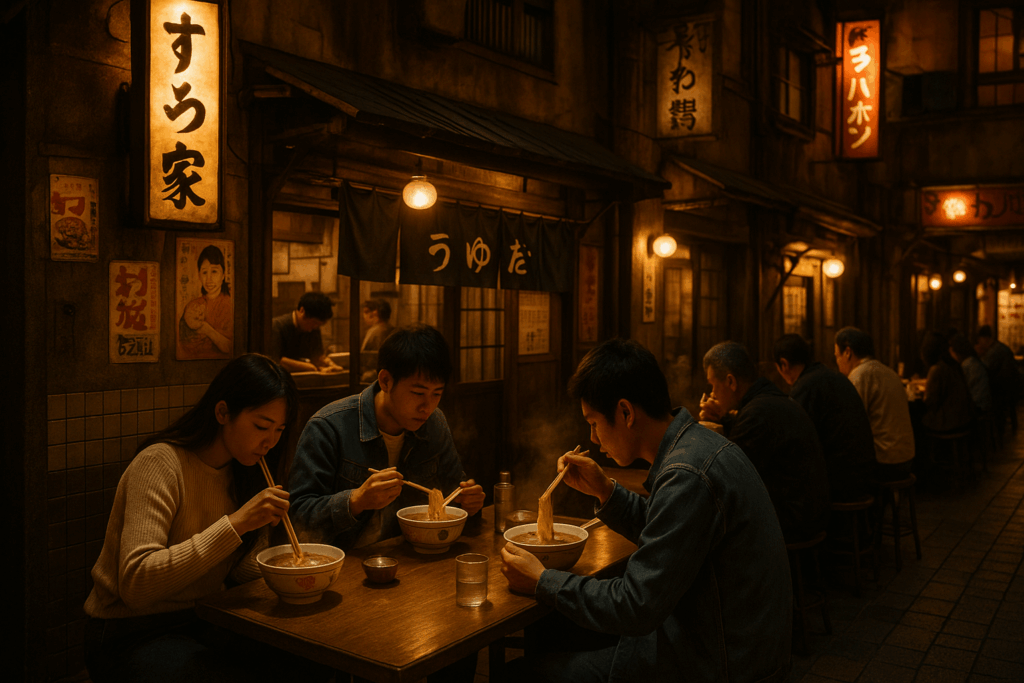
Despite its name, the Shin-Yokohama Ramen Museum is a ramen-themed food park rather than a traditional museum. Its highlight is a recreated 1950s–1960s townscape with retro streets and famous ramen shops from across Japan. Visitors can try mini bowls of different styles like tonkotsu, miso, and shoyu. Upstairs exhibits explain ramen history, while the basement feels like stepping back in time.
• Ticket Price: Around ¥450 for museum entry (ramen bowls extra, ¥900–¥1,200 each)
• Recommended Visit Time: 1.5–2 hours (more if you plan to try several bowls)
• Nearby Station: Shin-Yokohama Station (also Shinkansen stop from other cities)
• Best For: Ramen lovers, foodies wanting variety in one place
• Tip: Go hungry and try at least two mini bowls from different regions
10. Motomachi & Yamate — European Flair and Hillside Views
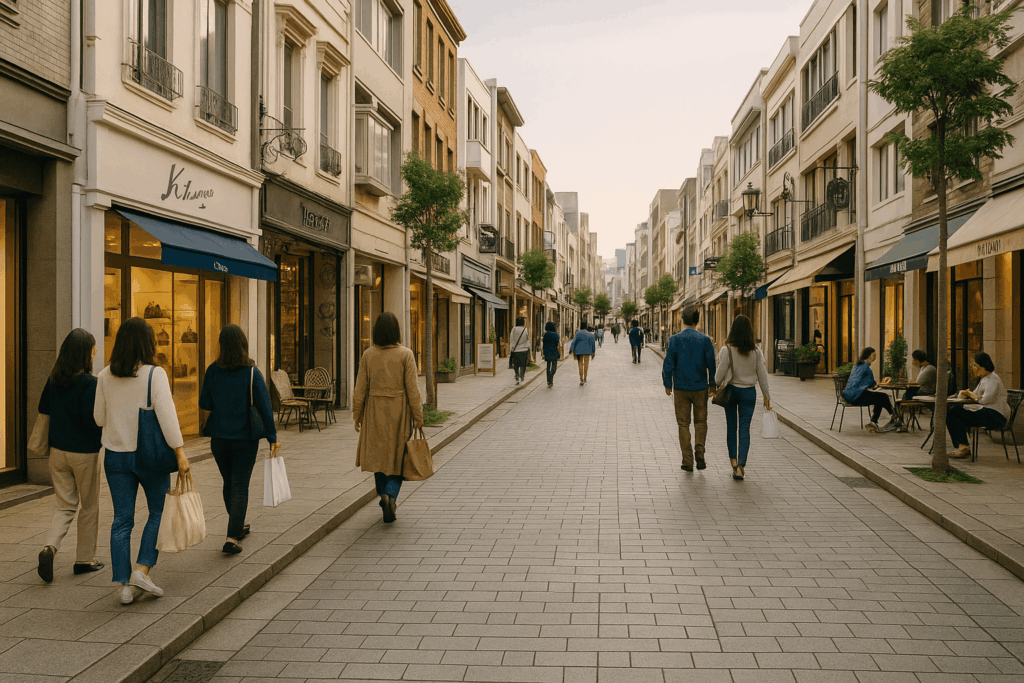
Just beyond Chinatown and Yamashita Park is Motomachi, a chic shopping street lined with European-style cafés, bakeries, and fashion boutiques. Above it lies the Yamate area, known for Western houses, churches, and schools overlooking the harbor. These neighborhoods reflect Yokohama’s early foreign settlement. Today they offer a calm mix of Japanese and Western culture, public historic homes and leafy parks.
• Approx Cost: Free to walk around (cafés, shops, and house entry fees vary)
• Must See: Motomachi Shopping Street, Harbor View Park, old Western residences, churches
• Atmosphere: Elegant, quiet, slightly European, slower pace
• Best Time: Afternoon for shopping, sunset in Harbor View Park for skyline views
• Nearby: Chinatown, Yamashita Park, hilltop parks and viewpoints
How to Travel Around Yokohama Efficiently
Yokohama’s transportation system is extremely convenient, especially for visitors coming from Tokyo or staying around the Minato Mirai, Yokohama, and Shin-Yokohama areas. The city is compact enough that many key attractions are within walking distance of each other along the bay, yet well-connected by trains and subway lines when you need to move between districts. Understanding how the main lines work, what passes are available, and how to combine walking with public transport will help you save both time and money while exploring comfortably.
Best Transport Options
JR Lines (Especially Keihin–Tohoku/Negishi Line):
JR trains connect Yokohama Station with Sakuragicho (for Minato Mirai), Kannai (for Chinatown and stadium), Ishikawacho (for Motomachi/Yamate), and Shin-Yokohama (Shinkansen + Ramen Museum). If you have a JR Pass, this is very convenient.
Minato Mirai Line:
Runs underground from Yokohama Station through Minato Mirai, Bashamichi, Nihon-Odori, to Motomachi-Chukagai (for Chinatown and Motomachi). This line is perfect for sightseeing as it hits most tourist hotspots along the waterfront.
Yokohama Municipal Subway (Blue Line):
Links Yokohama Station with Shin-Yokohama, making it the main route for visitors coming from Tokyo by Shinkansen and heading to central Yokohama or onward to Minato Mirai and Chinatown.
Buses:
City buses are useful for reaching Sankeien Garden and some residential areas not directly served by train. Signs and announcements often include basic English around tourist routes.
Walking & Cycling:
Once you’re in the waterfront zone (Sakuragicho, Minato Mirai, Bashamichi, Nihon-Odori, Motomachi-Chukagai), many attractions are comfortably walkable. There are also bike-sharing services and rental cycles ideal for exploring long stretches of the bay.
IC Cards (Suica, Pasmo, ICOCA):
All major contactless cards work in Yokohama on trains, subways, and buses, as well as in shops and vending machines. If you’ve already been in Tokyo, your IC card will work seamlessly here too.
Food & Restaurant Suggestions in Yokohama
Thanks to its history as Japan’s first major international port, Yokohama’s food culture is a melting pot of Japanese, Chinese, and Western influences. You’ll find traditional Japanese dishes, authentic Chinese cuisine in Chinatown, classic Western-style yoshoku (Japanese takes on Western food), and modern cafés with Instagram-ready desserts—all within short walking distances of the bay area. While Tokyo may grab more global attention, Yokohama is a fantastic place to eat well at reasonable prices with a distinctive character shaped by ships, trade, and multicultural communities.
Must-Try Yokohama Specialties You Cannot Miss
Yokohama-Style Ramen & Sanma-Men:
Yokohama has its own local variations of ramen, including sanma-men—noodles in a soy-based broth topped with a thick stir-fry of vegetables. The city is also closely associated with rich tonkotsu-style ramen through its famous ramen shops and museums.
Shumai (Steamed Dumplings):
The famous Kiyoken shumai bento, sold at train stations and in shops across Yokohama, is a local icon—bite-sized pork dumplings served with rice and side dishes, perfect for picnics in the park or quick lunches.
Chinese Dishes in Chinatown:
From dim sum and Peking duck to sweet-and-sour dishes and dessert soups, Yokohama Chinatown is the best place to dive into a huge variety of Chinese flavors in Japan.
Nikuman (Steamed Buns):
Large fluffy buns filled with seasoned pork, available from many Chinatown street stalls—ideal hand-held snack while exploring.
Napolitan Pasta:
A Japanese-style spaghetti dish with ketchup-based sauce, sausages, onions, and peppers, often associated with Yokohama’s post-war Western-influenced food culture.
Bayfront Cafés & Sweets:
Stylish cafés in Minato Mirai and Red Brick Warehouse serve pancakes, parfaits, and seasonal desserts with harbor views.
Budget-Friendly Restaurants (¥500–¥1,500 per meal)
Chinatown Street Food Stalls:
Dozens of stalls sell nikuman, shumai, gyoza, spring rolls, and sesame balls—perfect for building a casual walking lunch for under ¥1,000–¥1,500.
Kiyoken Shumai Bento Shops:
Find them in Yokohama Station and other major stations. Grab a bento and eat at a park or hotel for an affordable, very local meal.
Chain Restaurants (Sukiya, Yoshinoya, Matsuya):
Beef bowls, curry rice, and set meals in the ¥400–¥700 range—fast, filling, and easy to order.
Food Courts in Minato Mirai & MARK IS:
Various casual Japanese and international options (ramen, curry, pasta, rice bowls) in the ¥800–¥1,200 range with comfortable seating and easy access.
Ramen Chains:
Affordable ramen chains (various brands) around Yokohama and Shin-Yokohama serve hearty bowls starting from around ¥800.
Vegetarian & Vegan Options
While Yokohama is not as vegetarian-focused as some global cities, it still offers decent plant-based choices, especially if you know where to look or are flexible with dishes:
Vegetarian-Friendly Chinese Dishes:
Some Chinatown restaurants can prepare vegetable-only stir-fries, tofu dishes, and fried rice upon request—ask staff politely or look for menus with veggie symbols.
Cafés in Minato Mirai and Motomachi:
Many modern cafés offer salads, vegetable pasta, pizza, and sometimes clearly labeled vegan or vegetarian options.
Convenience Stores & Supermarkets:
Onigiri with ume (pickled plum), kombu (seaweed), or simple vegetable fillings, salads, breads, and snacks can make simple vegetarian-friendly meals.
Ramen Museum & Shops with Veg Options:
Some newer ramen offerings may include vegetarian or soy-based broth options; check signs or ask staff if available.
Approximate Budget for a Day in Yokohama
Yokohama is very flexible when it comes to budgets. You can enjoy a lot of the city with minimal spending by focusing on free parks, waterfront walks, and affordable food, or you can upgrade your experience with bay-view dining, observatory tickets, and shopping. Because many top attractions like Yamashita Park, Osanbashi, Red Brick Warehouse, and Chinatown are free to enter, a large portion of your spending will naturally go toward food, transport, and optional attractions.
Daily Budget Breakdown
Food & Dining: ¥1,500–¥6,000
• Breakfast: ¥400–¥1,000 (convenience store, café set, or bakery)
• Lunch: ¥800–¥2,000 (ramen, curry, Chinatown lunch sets, or food court)
• Dinner: ¥1,500–¥3,500 (izakaya, Chinese restaurant, bay-view dining, or ramen crawl)
• Snacks & Street Food: ¥400–¥1,000 (Chinatown snacks, desserts, vending machines)
• Drinks: ¥200–¥800 (soft drinks, coffee, tea, or one alcoholic drink)
Transportation: ¥400–¥1,500
• Local Train/Subway Rides: ¥400–¥1,000 total for 2–5 trips within Yokohama
• Extra if Coming from Tokyo: ¥1,000–¥1,200 round-trip from central Tokyo stations (not counted in strictly “Yokohama-only” budget)
• Bus to Sankeien: Around ¥220–¥600 extra depending on round-trip
Attractions & Activities: ¥0–¥4,500
• Landmark Tower Sky Garden: ~¥1,000
• Cup Noodles Museum: ~¥500 (+ Cup customization extra)
• Shin-Yokohama Ramen Museum: ~¥450 (plus ramen cost)
• Sankeien Garden: ~¥700
• Many free spots: Yamashita Park, Osanbashi, Red Brick Warehouse, Chinatown, Motomachi, Minato Mirai walks
Shopping & Souvenirs: ¥1,000–¥10,000+ (Highly Variable)
• Small souvenirs and snacks: ¥500–¥3,000
• Fashion items from Motomachi or malls: ¥3,000–¥10,000+
• Character goods, cosmetics, and gifts: ¥2,000–¥5,000
• Premium shopping or electronics: ¥10,000+
Entertainment & Nightlife: ¥0–¥6,000 (Optional)
• Drinks at bay-view bar or hotel lounge: ¥1,500–¥4,000
• Karaoke: ¥1,500–¥3,000 (for a couple of hours, divided among group)
• Seasonal event tickets or small cruises: ¥1,000–¥3,000 depending on activity
Money-Saving Tips
• Walk the Waterfront: Minato Mirai → Red Brick Warehouse → Osanbashi → Yamashita Park → Motomachi-Chukagai is an incredibly scenic walk and saves on transport costs.
• Use Convenience Stores Wisely: Breakfast and snacks from 7-Eleven, FamilyMart, or Lawson are cheap, good quality, and widely available.
• Lunch vs. Dinner: Many restaurants have cheaper lunch sets; if you want to try a nicer place, consider going at lunchtime instead of dinner.
• Limit Paid Observatories: The bay offers many free viewpoints—choose one paid observatory (like Landmark Tower) instead of several to control spending.
• Share Dishes in Chinatown: Sharing multiple plates among friends lets you taste more variety without overspending.
• Plan Tokyo + Yokohama Together: If you’re staying in Tokyo, check regional railway passes or day tickets that include Yokohama to reduce daily travel costs.
• Use IC Cards: Avoid overpaying or wasting time on paper tickets—IC cards charge you the exact fare and can be used almost everywhere.
Yokohama rewards every style of traveler, from those on a tight budget to those looking for stylish bay-view luxury. With its relaxed atmosphere, scenic harbor, rich history, and multicultural food scene, it’s an ideal destination to pair with Tokyo or enjoy on its own as a comfortable, picturesque base for exploring the wider Kanto region.