
Kyoto: The Heart of Traditional Japan and Ancient Cultural Capital
Kyoto is Japan’s ancient imperial capital and the heart of traditional culture, where temples, shrines, geisha streets, and quiet gardens define daily life. With over a thousand years of history, the city feels like a living museum of art, ritual, and spiritual beauty. From cherry blossoms to autumn maples, Kyoto transforms with the seasons. Walk through Fushimi Inari’s torii gates, admire Kinkaku-ji’s golden reflection, explore Zen gardens, and discover hidden neighborhoods beyond the crowds with ease and respect and wonder.
Top 10 Must-Visit Places in Kyoto
Kyoto's vast collection of temples, shrines, gardens, and historical districts can overwhelm first-time visitors, but these 10 essential destinations provide a perfect introduction to the city's diverse cultural heritage, architectural masterpieces, and spiritual significance. Each location offers unique experiences that showcase different aspects of Kyoto's thousand-year legacy as Japan's cultural and imperial capital. Take your time exploring these sites mindfully, respecting their sacred nature, and allowing yourself to be transported to different eras of Japanese history.
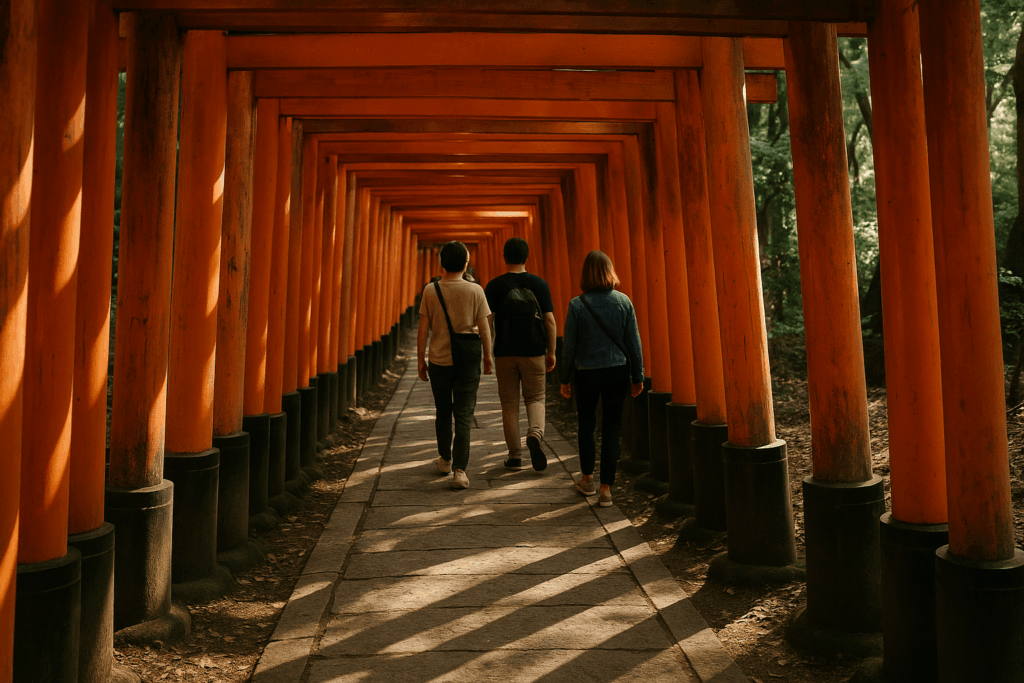
1. Fushimi Inari Taisha — The Iconic Thousand Torii Gates
Kyoto's most photographed site features endless tunnels of vibrant orange torii gates winding up sacred Mount Inari, creating a mystical pathway. Founded in 711 AD, this Shinto shrine honors Inari, god of rice and prosperity, with thousands of donated gates. The full mountain trail takes 2–3 hours, passing fox statues, small shrines, and offering expanding panoramic views over Kyoto below.
• Approx Cost: Free entry (donations welcome)
• Must See: Main shrine complex, torii gate tunnels, mountaintop views, fox statues
• Best Time: Early morning (7-8 AM) to avoid crowds, or evening for atmospheric lighting
• Physical Level: Moderate hiking if ascending the full mountain trail
• Access: Inari Station (JR Nara Line, 5 minutes from Kyoto Station)
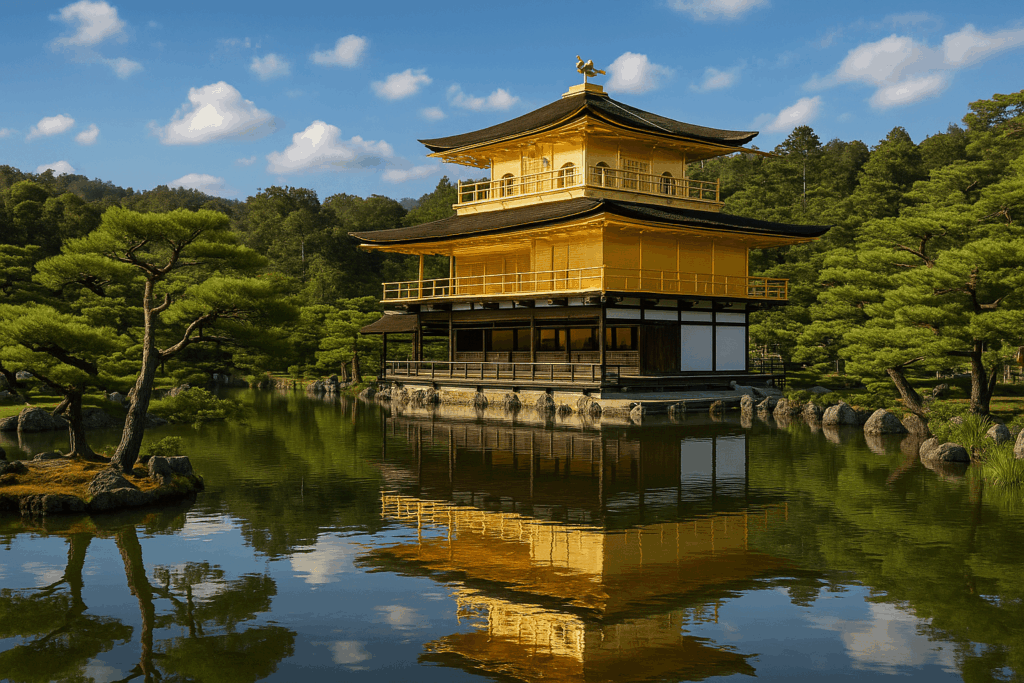
2. Kinkaku-ji (Golden Pavilion) — Kyoto's Most Stunning Temple
This golden three-story pavilion appears to float above its mirror-like pond, forming one of Japan’s most iconic scenes. Built in 1397 as Shogun Ashikaga Yoshimitsu’s villa, each floor reflects a different architectural style—samurai, Zen, and Chinese. Surrounded by a carefully designed strolling garden, the current structure dates to 1955, faithfully preserving the temple’s beauty and spiritual presence for future generations.
• Ticket Price: ¥500 (adults), ¥300 (children)
• Best Season: All seasons beautiful—winter snow, spring cherry blossoms, autumn leaves all create magical atmospheres
• Nearby Spot: Ryoan-ji Temple (famous rock garden), Ninna-ji Temple
• Photo Tip: Morning light creates best reflections, avoid midday crowds
• Recommended Visit Time: 1 hour including garden walk
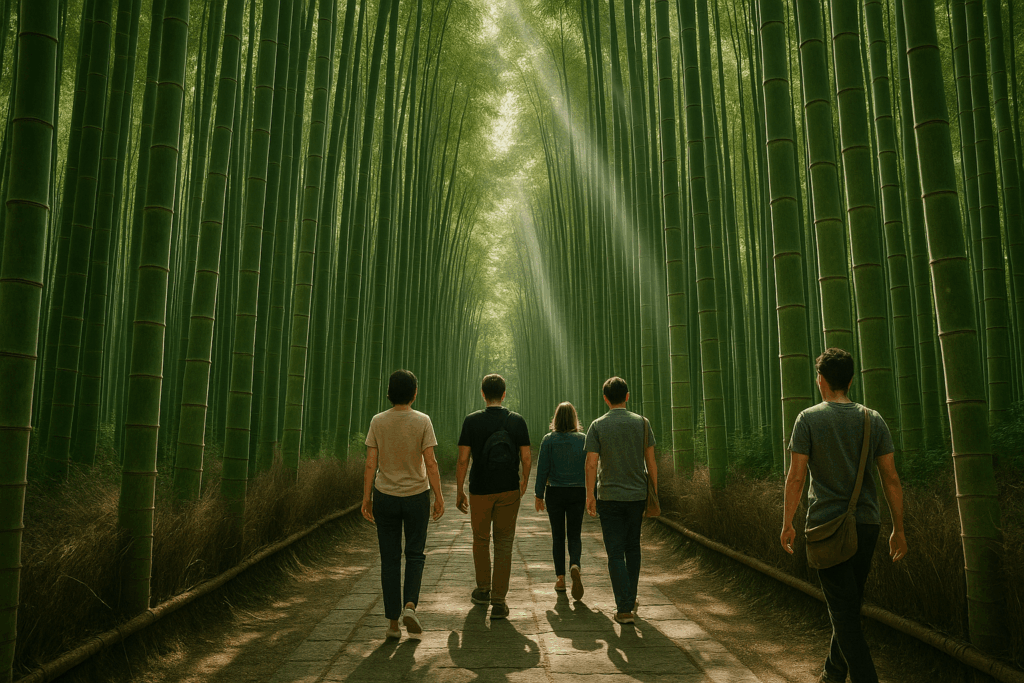
3. Arashiyama Bamboo Grove — Nature's Cathedral
Walking through Arashiyama’s bamboo forest feels otherworldly as towering stalks sway, creak, and filter sunlight into soft green rays. The grove connects nearby temples and gardens, while Arashiyama offers the scenic Togetsukyo Bridge, traditional shops, a monkey park, and riverside paths. Early mornings are especially magical, with misty air and peaceful silence before the crowds arrive.
• Approx Cost: Free entry to bamboo grove
• Must Visit Nearby: Tenryu-ji Temple garden (¥500), Togetsukyo Bridge, Okochi Sanso Villa
• Best Time: Early morning before 8 AM, or evening after 5 PM
• Local Transport: Romantic scenic train (Sagano Romantic Train) along Hozu River
• Access: Arashiyama Station (JR Sagano Line) or Arashiyama Station (Keifuku Arashiyama Line)
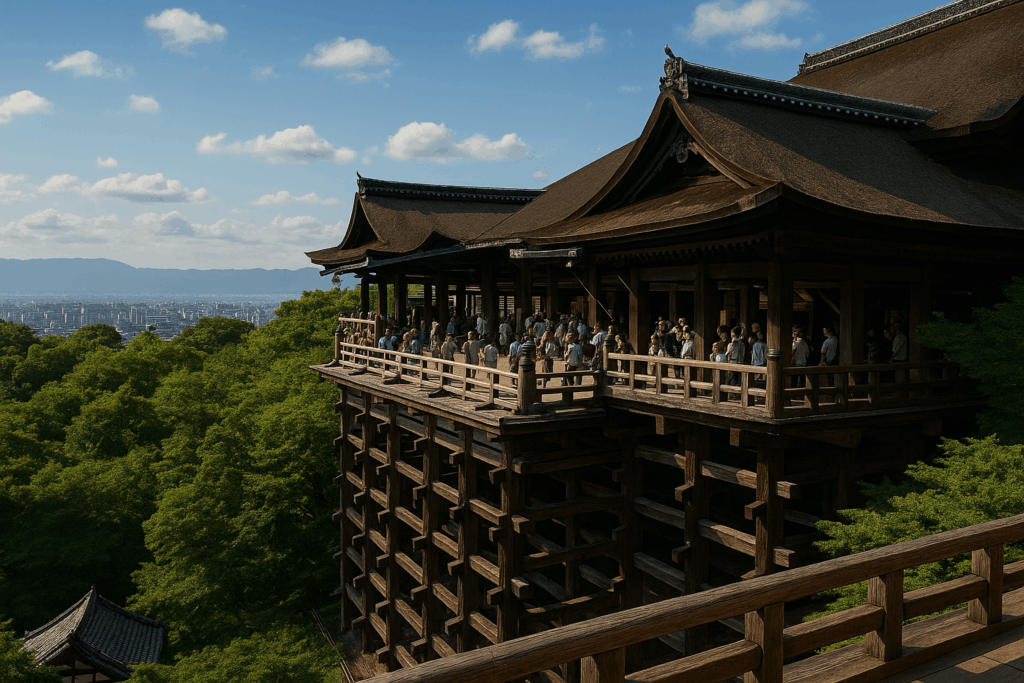
4. Kiyomizu-dera Temple — The Historic Wooden Wonder
This UNESCO World Heritage temple complex sits on a hillside, with its famous wooden-pillared main hall built without nails and a wide veranda overlooking Kyoto. Founded in 778, Kiyomizu-dera is named after the Otowa Waterfall, where three streams symbolize longevity, success, and love. The walk up passes through Ninenzaka and Sannenzaka, streets lined with old wooden shops and tea houses.
• Ticket Price: ¥400 (adults), ¥200 (children)
• Best Season: Cherry blossom season (early April) and autumn leaves (late November) are spectacular
• Must Do: Drink from the Otowa Waterfall, explore Jishu Shrine (love deity)
• Nearby Walk: Ninenzaka and Sannenzaka traditional streets, Gion district (15-minute walk)
• Evening Illuminations: Special night viewings during spring and autumn (check schedule)
5. Gion District — Geisha Culture Heartland
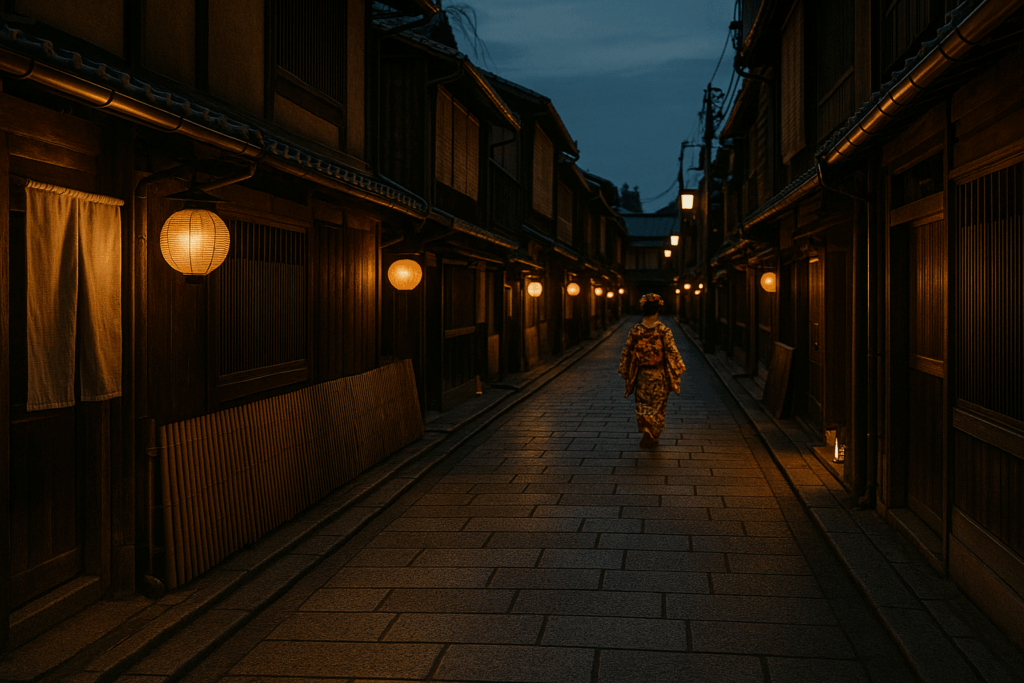
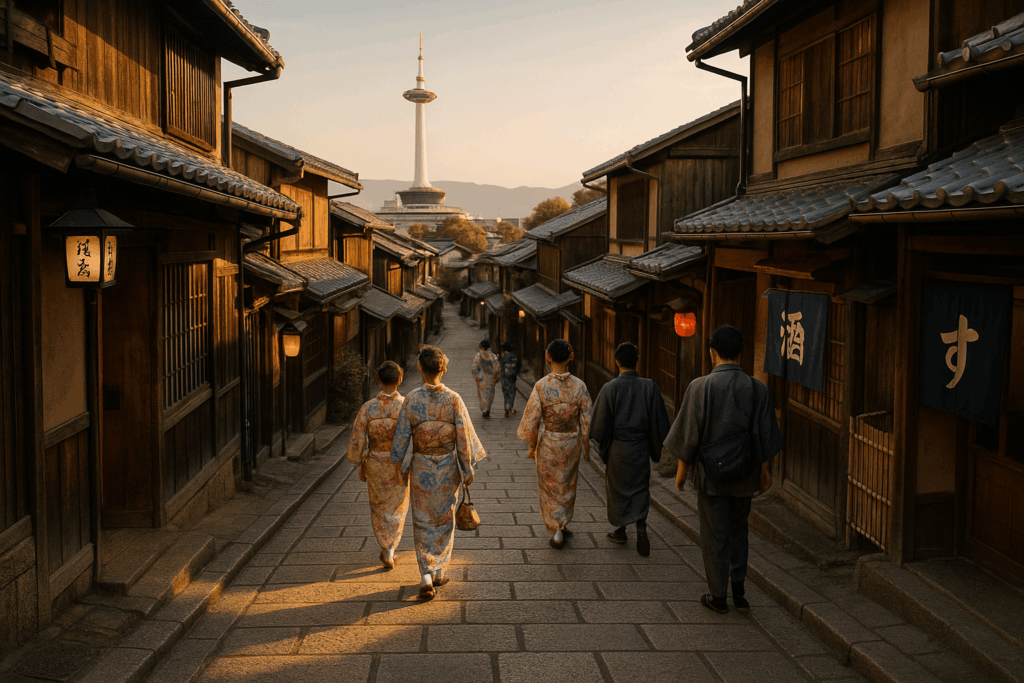
Kyoto’s most famous geisha district preserves wooden machiya townhouses along stone-paved streets where geiko and maiko still train, live, and perform in exclusive teahouses. Hanami-koji Street showcases classic facades, lanterns, and bamboo fences, with Yasaka Shrine nearby. In the evening, visitors may glimpse maiko in colorful kimono and white makeup, but should never approach, touch, or interrupt their work politely.
• Approx Cost: Free to walk and explore (entertainment in ochaya costs thousands and requires introductions)
• Must See: Hanami-koji Street, Shirakawa Canal area, Yasaka Shrine
• Best Time: Evening 5-7 PM for highest chance of maiko sightings
• Nearby Attractions: Maruyama Park, Kennin-ji Temple, Pontocho Alley
• Etiquette: Never touch or block geiko/maiko, ask permission before photos, respect private properties
6. Fushimi Sake District — Traditional Brewery Town
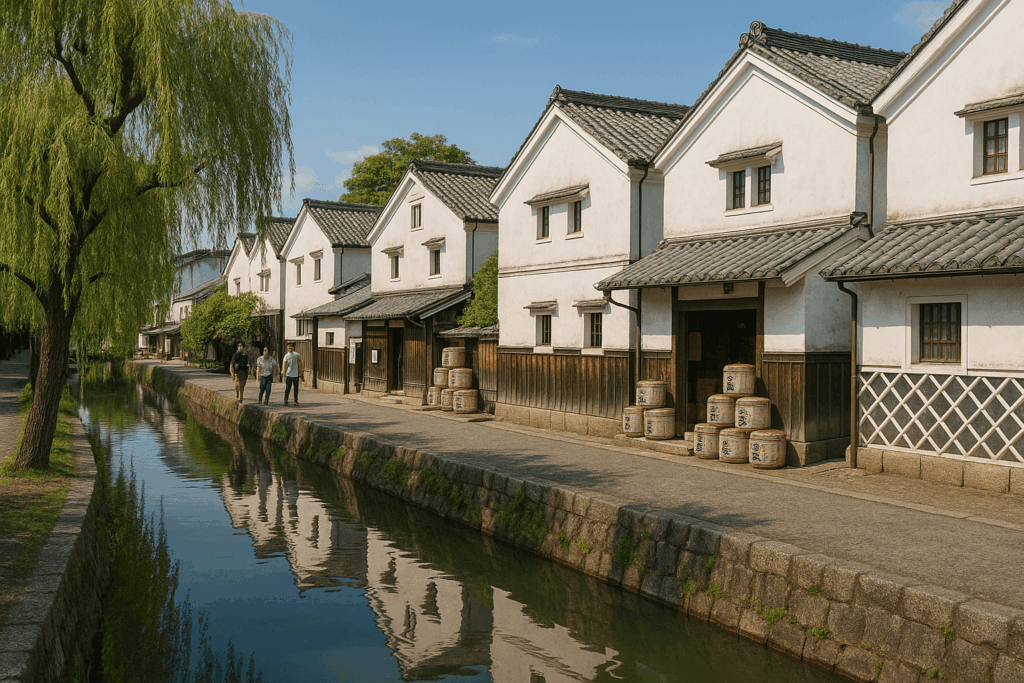
Located in southern Kyoto, Fushimi has been Japan’s leading sake-brewing district for over 400 years, blessed with pure spring water and ideal rice-growing conditions. The district preserves white-walled breweries along calm canals where visitors tour kura, sample sake, learn from master brewers, and buy rare bottles. Its relaxed streets, museums, and traditional architecture offer a quieter side of historic Kyoto.
• Approx Cost: Free to walk around, brewery tours ¥300-¥600, sake tastings ¥500-¥2,000
• Must Visit: Gekkeikan Okura Sake Museum, Kizakura Kappa Country, multiple brewery shops
• Best Time: Afternoon tours after morning temple visits
• Nearby: Fushimi Inari Shrine (15-minute walk)
• Access: Fushimi-Momoyama Station or Chushojima Station (Keihan Line)
7. Philosopher's Path (Tetsugaku-no-michi) — Contemplative Canal Walk
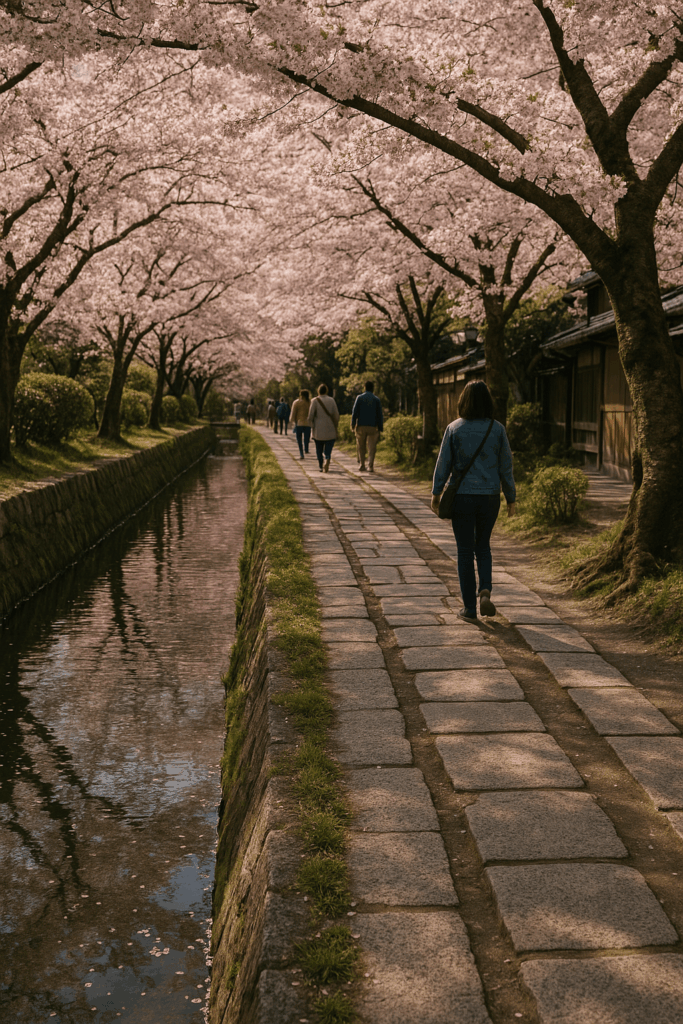
This scenic two-kilometer stone path follows a cherry-lined canal between Ginkaku-ji and Nanzen-ji, named after philosopher Nishida Kitaro. In spring, blossoms form a pink tunnel over shimmering water; in autumn, fiery leaves transform the view. Small temples, cafés, craft shops, and galleries line the quiet route, inviting slow walks, peaceful reflection, and a calm escape from Kyoto’s busy streets nearby.
• Approx Cost: Free (temples along the path charge separate admission)
• Best Season: Cherry blossom season (early April) transforms the path into pink paradise
• Recommended Route: Start at Ginkaku-ji, walk south to Nanzen-ji (slight downhill)
• Walking Time: 30-40 minutes at leisurely pace, 1-2 hours with stops
• Nearby Temples: Ginkaku-ji (Silver Pavilion), Honen-in, Nanzen-ji
8. Nishiki Market — Kyoto's 400-Year-Old Food Market
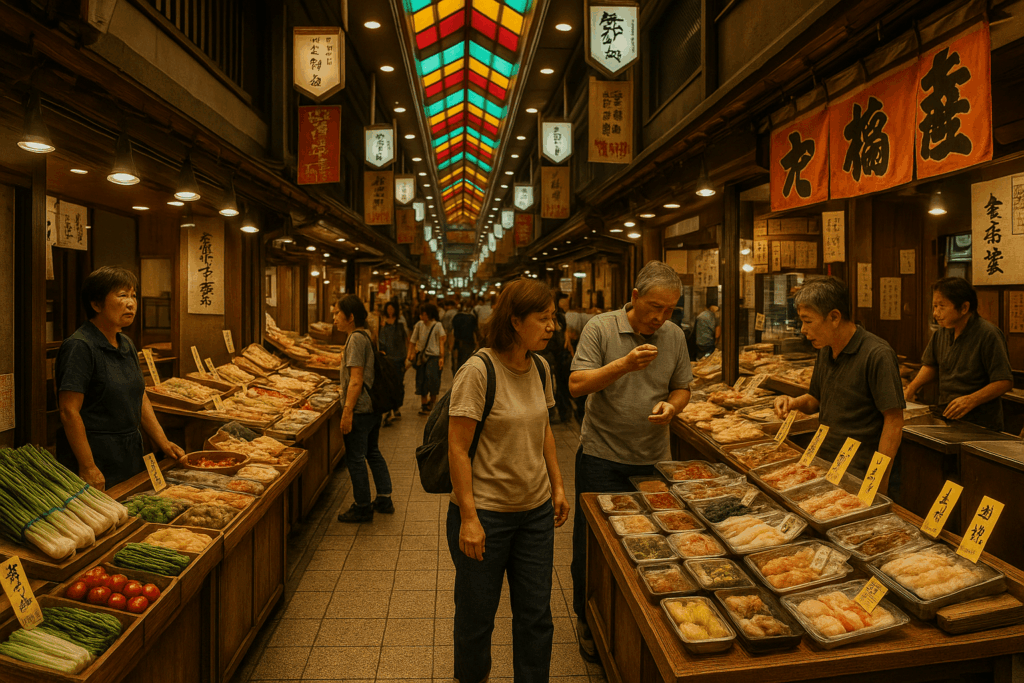
Known as “Kyoto’s Kitchen,” Nishiki Market is a five-block covered street with over 100 vendors selling seafood, Kyoto vegetables, pickles, tea, sweets, and regional specialties. Operating for more than 400 years, it supplies local restaurants while inviting visitors to sample tofu, tsukemono, matcha treats, and grilled foods. Compared to Osaka’s Kuromon Market, Nishiki offers a more traditional, refined Kyoto atmosphere.
• Approx Cost: ¥500-¥2,000 for sampling and snacks
• Must Try: Fresh yuba (tofu skin), tsukemono varieties, matcha soft serve, grilled seafood
• Best Time: Morning 10 AM-12 PM for freshest selection, less crowded weekdays
• Nearby: Teramachi and Shinkyogoku shopping arcades, Pontocho dining street
• Market Hours: Most shops 10 AM-6 PM, some closed Wednesday or Sunday
9. Ryoan-ji Temple — The Zen Rock Garden Masterpiece
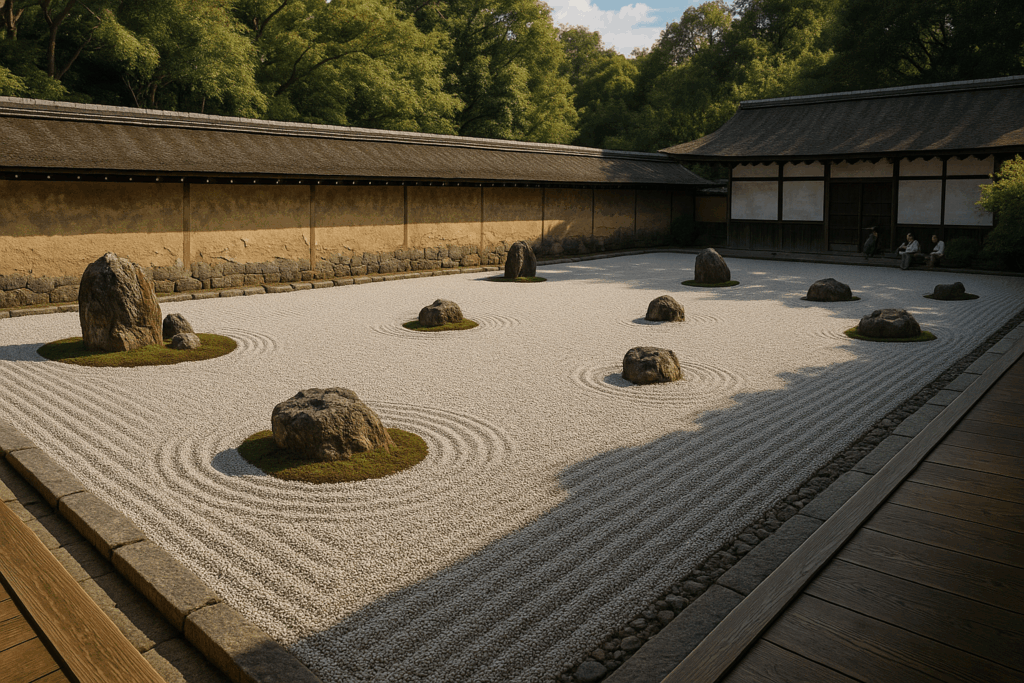
This UNESCO temple features Japan’s most famous Zen rock garden—15 stones placed in raked white gravel so one rock is always hidden from any single viewpoint. Created in the 15th century, its simple yet mysterious design invites endless interpretation and personal reflection. The temple’s tranquil atmosphere, pond garden, and traditional architecture offer additional beauty beyond the iconic garden that shaped Zen aesthetics.
• Ticket Price: ¥500 (adults), ¥300 (children)
• Must See: The rock garden from wooden veranda, pond garden, stone water basin with inscription
• Best Time: Early morning opening (8 AM) for quieter meditation experience
• Nearby: Kinkaku-ji (10-minute bus ride), Ninna-ji Temple
• Recommended Visit Time: 45 minutes to 1 hour for peaceful contemplation
10. Kiyomizu-dera to Gion Walking Route — Historic Kyoto Experience
This scenic 30–40 minute walk links Kyoto’s most atmospheric historic districts through beautifully preserved streets. Begin at Kiyomizu-dera, descend Ninenzaka and Sannenzaka past traditional wooden shops, continue through Kodai-ji’s serene gardens, cross cherry-filled Maruyama Park, and enter Gion via Yasaka Shrine’s vermillion gate. The route reveals machiya architecture, stone lanes, temple landscapes, and glimpses of geiko and maiko culture nearby.
• Approx Cost: Temple admissions ¥400-¥600 each, walking is free
• Key Stops: Kiyomizu-dera, Ninenzaka/Sannenzaka streets, Kodai-ji, Maruyama Park, Yasaka Shrine, Gion
• Recommended Direction: Kiyomizu-dera to Gion (downhill, easier)
• Walking Time: 30-40 minutes direct, 2-3 hours with temple visits and stops
• Best Experience: Late afternoon into evening to finish in Gion at dusk
How to Travel Around Kyoto Efficiently
Kyoto's transportation system differs significantly from Tokyo or Osaka, relying more heavily on an extensive bus network supplementing limited subway lines, which initially confuses visitors but becomes manageable once you understand the logical route numbers and major transfer points. The city's relatively compact historical core means many attractions cluster within walkable distances of each other, and cycling has become an increasingly popular way to explore neighborhoods at a relaxed pace while the efficient rail connections to Osaka, Nara, and other Kansai destinations make Kyoto an excellent base for regional exploration.
Best Transport Options
Kyoto City Bus: The primary way most tourists navigate Kyoto, with over 200 routes connecting all major temples, shrines, and districts. Key tourist routes include #100 (circular route hitting major sites), #5 (Kyoto Station to Kinkaku-ji), #206 (circular route through Gion and eastern temples).
Kyoto Subway: Only two lines—Karasuma Line (north-south) and Tozai Line (east-west)—but useful for quickly reaching specific destinations like Kyoto Station, downtown Karasuma area, and connecting to private railways.
Keihan Railway: Connects central Kyoto with Fushimi Inari, Fushimi sake district, and continues to Osaka. Particularly useful for eastern Kyoto temples.
Hankyu Railway: Connects central Kyoto (Kawaramachi) with Arashiyama and continues to Osaka. Alternative route to JR for western Kyoto.
JR Lines: JR Sagano Line reaches Arashiyama, JR Nara Line goes to Fushimi Inari and continues to Nara, while Shinkansen connects to Tokyo and other major cities.
Bicycle Rental: Many shops near Kyoto Station rent bicycles for ¥1,000-¥2,000 per day—excellent for exploring at your own pace, especially in less hilly eastern districts.
Walking: Gion, Philosopher's Path, and many temple clusters are best explored on foot to appreciate details and atmosphere.
Approximate Transportation Costs
• Single Bus Ride: ¥230 flat fare within city center (board through rear door, pay when exiting through front)
• Kyoto Bus One-Day Pass: ¥700 (unlimited bus rides, pays for itself after 3 rides)
• Kyoto Subway One-Day Pass: ¥600 (unlimited subway, limited usefulness for tourists)
• Kyoto Bus & Subway One-Day Pass: ¥1,100 (unlimited bus and subway)
• Single Subway Ride: ¥220-¥360 depending on distance
• IC Card (ICOCA): Works on all transport, no special passes needed
• Bicycle Rental: ¥1,000-¥2,000 per day
Essential Travel Tips
• Bus One-Day Pass (¥700): Great value if visiting 3+ spots. Buy at Kyoto Station.
• Use Bus Apps: Google Maps or “Kyoto City Official Travel Guide” for real-time routes.
• Board Rear, Pay Front: Kyoto buses use a flat-fare system.
• Avoid Rush Hours: Buses to major temples are crowded 10 AM–2 PM.
• Walk When Possible: Many temples in eastern Kyoto are close together.
• Consider Cycling: Ideal for central and eastern Kyoto.
• Learn Kyoto Station Exits: Helps find the correct bus platforms.
• Check Platform Numbers: Routes often depart from different platforms.
• Visit Temples Early: Best lighting, fewer crowds.
• Use Rail Passes: Kansai Thru Pass or JR West Pass for trips to Osaka or Nara.
Food & Restaurant Suggestions in Tokyo
Hiroshima offers a rich food scene with fresh Seto Inland Sea seafood, famous Hiroshima-style okonomiyaki, and local oysters, from street stalls to fine dining with warm hospitality and authentic flavors.
Must-Try Kyoto Specialties You Cannot Miss
Kaiseki Ryori (Traditional Multi-Course Cuisine): Kyoto's pinnacle dining experience featuring seasonal ingredients prepared through various cooking techniques and served in artistic progression, from delicate appetizers to grilled fish, simmered vegetables, rice, and sweets—each course thoughtfully composed and presented.
Yudofu (Hot Tofu): Simple yet profound dish of silky tofu simmered in kombu dashi broth, served with dipping sauce and condiments—particularly associated with Nanzen-ji Temple area where restaurants specialize in this Zen Buddhist-inspired dish.
Obanzai Ryori (Kyoto Home Cooking): Seasonal vegetable-focused small dishes representing Kyoto's daily home cooking traditions—pickles, simmered vegetables, grilled fish, and rice served in traditional set meals at casual restaurants.
Kyoto Ramen: Local style features shoyu (soy sauce) based broth, often with chicken or pork, topped with Kujo negi (Kyoto green onions)—less rich than Osaka or Tokyo styles but deeply flavorful.
Matcha Sweets: Kyoto is Japan's matcha capital with countless cafés and shops serving matcha-flavored everything—parfaits, ice cream, cakes, traditional wagashi sweets, and ceremonial tea experiences.
Saba Sushi (Mackerel Sushi): Pressed mackerel sushi preserved with salt and vinegar, reflecting Kyoto's historical distance from the sea and need for preservation methods—traditional local specialty.
Kyo Kaiseki Bento: Elegant boxed meals containing miniature versions of kaiseki dishes, available at specialized shops and some restaurants—perfect for temple garden picnics.
Yuba (Tofu Skin): Fresh sheets of tofu skin eaten raw with soy sauce or prepared in various dishes—Kyoto's pure water makes exceptional yuba highly prized throughout Japan.
Budget-Friendly Restaurants (¥800–¥2,000 per meal)
Ippudo Ramen: Excellent tonkotsu ramen chain with location near Kyoto Station—rich creamy broth and quality toppings at reasonable prices.
Gyukatsu Motomura: Breaded deep-fried beef cutlet served rare, which you slice and grill to preference on a hot stone—unique and affordable experience.
Yoshinoya, Matsuya, Sukiya: Budget beef bowl chains throughout Kyoto offering filling meals for ¥500-¥800—perfect for backpackers.
Musashi Sushi: Kaiten (conveyor belt) sushi chain with fair prices and decent quality—fun casual sushi experience.
Omen Kodai-ji: Udon noodle specialist near Gion serving thick handmade udon with seasonal vegetable tempura at reasonable prices.
Vegetarian & Vegan Options
Shigetsu (Tenryu-ji Temple): Buddhist shojin ryori temple cuisine using no animal products—beautiful presentations showcasing vegetables, tofu, and seasonal ingredients in temple setting.
Mumokuteki Café: Organic vegetarian café near Okazaki offering creative plant-based meals, sweets, and comfortable modern atmosphere.
Veg Out: Fully vegan restaurant serving creative international-inspired plant-based dishes and desserts in relaxed café environment.
Morpho Café: Vegan macrobiotic café with organic ingredients, brown rice, and seasonal vegetable plates in cozy traditional machiya setting.
Approximate Budget for a Day in Kyoto
Kyoto generally costs slightly more than Osaka due to its tourism-focused economy, refined dining culture, and numerous temple admission fees, though budget travelers can still experience the city meaningfully by focusing on free temples, budget meals, and the excellent bus pass system. Understanding realistic daily expenses allows better trip planning without financial stress while ensuring you can enjoy both famous attractions and authentic local experiences matching your travel style and priorities.