
Hiroshima: Complete First-Timer's Guide to Peace, Culture & Island Beauty
Hiroshima is one of Japan’s most meaningful cities, where history, peace, and nature meet. Known for its tragic past, it now stands as a symbol of resilience, hope, and human strength. Today, travelers enjoy peaceful parks, historic landmarks, cultural museums, island views, and famous local cuisine. Less crowded than Tokyo or Osaka, Hiroshima offers a calm travel pace. This guide helps first-time visitors explore confidently, from Miyajima’s floating torii gate to the serene Peace Memorial Park that inspires visitors worldwide.
Top 10 Must-Visit Places in Hiroshima
Hiroshima offers a perfect blend of historical sites, cultural landmarks, natural beauty, and modern attractions. Below are the 10 essential places every first-time traveler should explore. You don't need to visit them all in one day or follow a strict order—simply choose the places that interest you most and enjoy your journey through this remarkable city at your own comfortable pace.
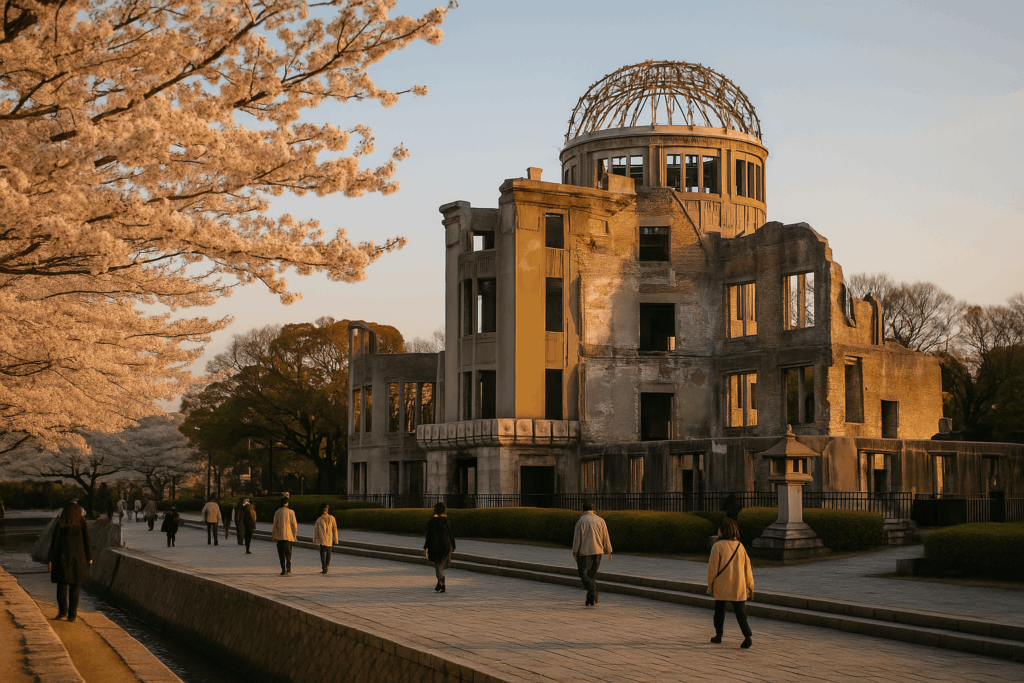
1. Hiroshima Peace Memorial Park & A-Bomb Dome
The Peace Memorial Park stands at the heart of Hiroshima as the city's most important landmark and a UNESCO World Heritage Site. The preserved A-Bomb Dome serves as a haunting reminder of August 6, 1945, while the surrounding park offers peaceful walking paths, memorial monuments, and riverside gardens where visitors can reflect on history and hope for lasting world peace.
• Approx Cost: Free entry
• Recommended Food Nearby: Hiroshima-style okonomiyaki at Nagata-ya
• Nearby Spot: Children's Peace Monument, Peace Bell
• Best Time to Visit: Early morning or late afternoon for peaceful atmosphere
2. Hiroshima Peace Memorial Museum
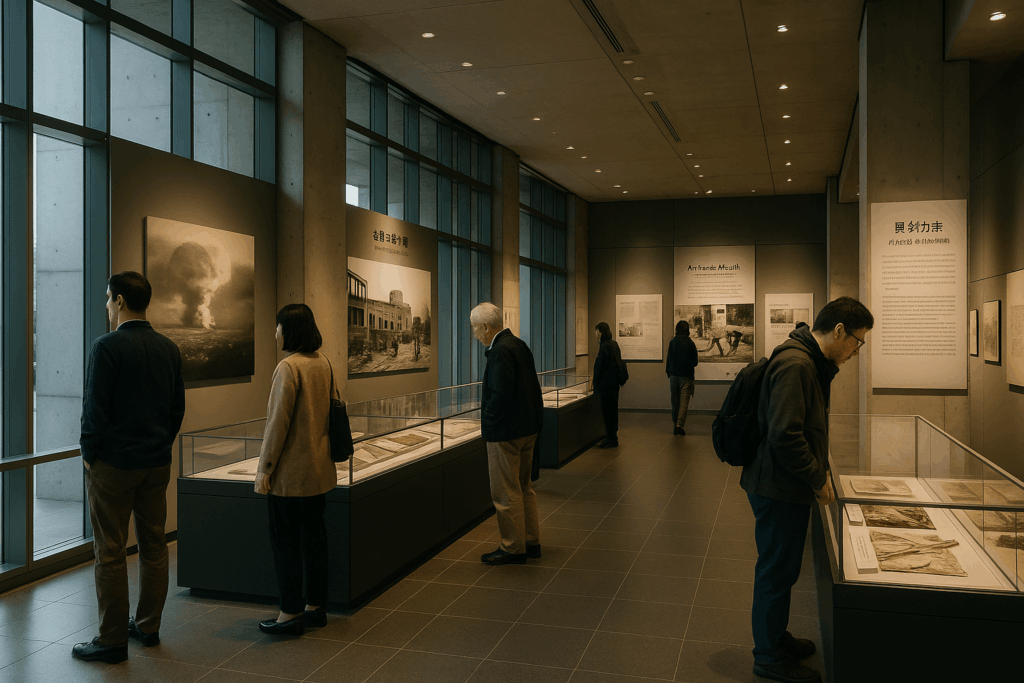
This world-renowned museum tells the complete story of Hiroshima through powerful exhibits, preserved artifacts, personal testimonies, and historical photographs. The displays are deeply emotional and educational, helping visitors understand the devastating impact of nuclear weapons and the city's incredible journey of recovery, rebuilding, and its ongoing commitment to promoting global peace and nuclear disarmament.
• Ticket Price: ¥200 (approximately $1.50 USD)
• Suggested Visit Duration: 1.5–2.5 hours
• Nearby Spot: Peace Memorial Park, Cenotaph
• Audio Guide: Available in multiple languages
3. Miyajima Island & Itsukushima Shrine
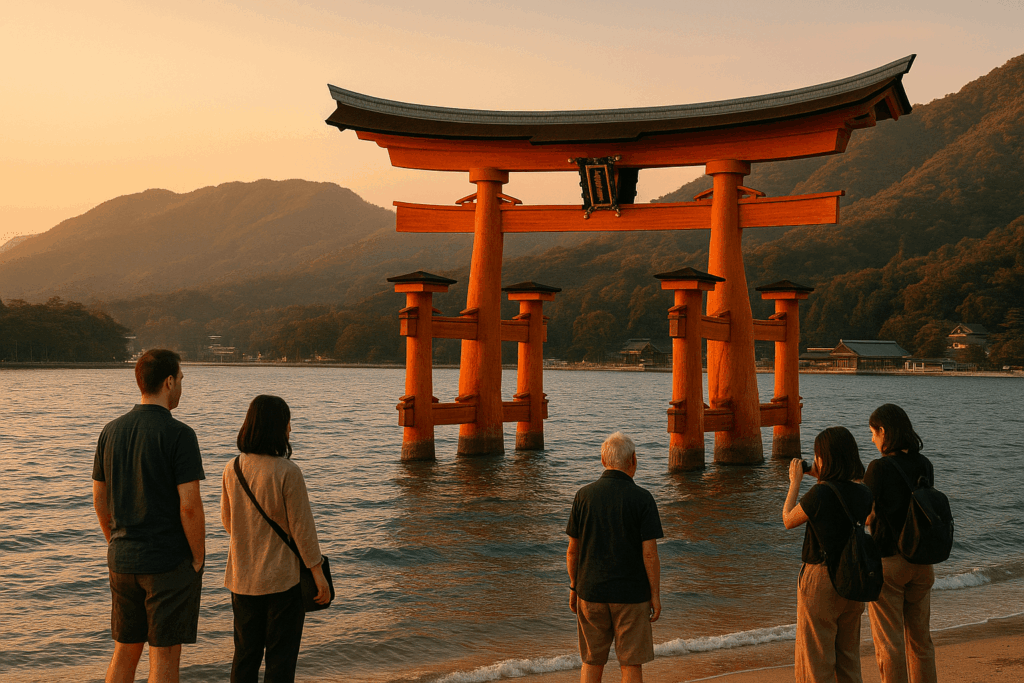
Miyajima Island is one of Japan's three most scenic spots and home to the iconic floating torii gate that appears to stand magically in the sea during high tide. The island offers much more than just the famous shrine—wild friendly deer roam freely, traditional shopping streets sell local crafts, mountain hiking trails provide stunning views, and the peaceful atmosphere makes it perfect for a full-day exploration away from city life.
• Ferry Cost: ¥180–¥360 (round trip from Miyajimaguchi)
• Must Try Food: Momiji manju (maple leaf cake), grilled oysters, anago-meshi (eel rice)
• Nearby Spot: Mount Misen Ropeway, Daisho-in Temple
• Best Photo Time: During high tide for the floating torii effect
4. Hiroshima Castle
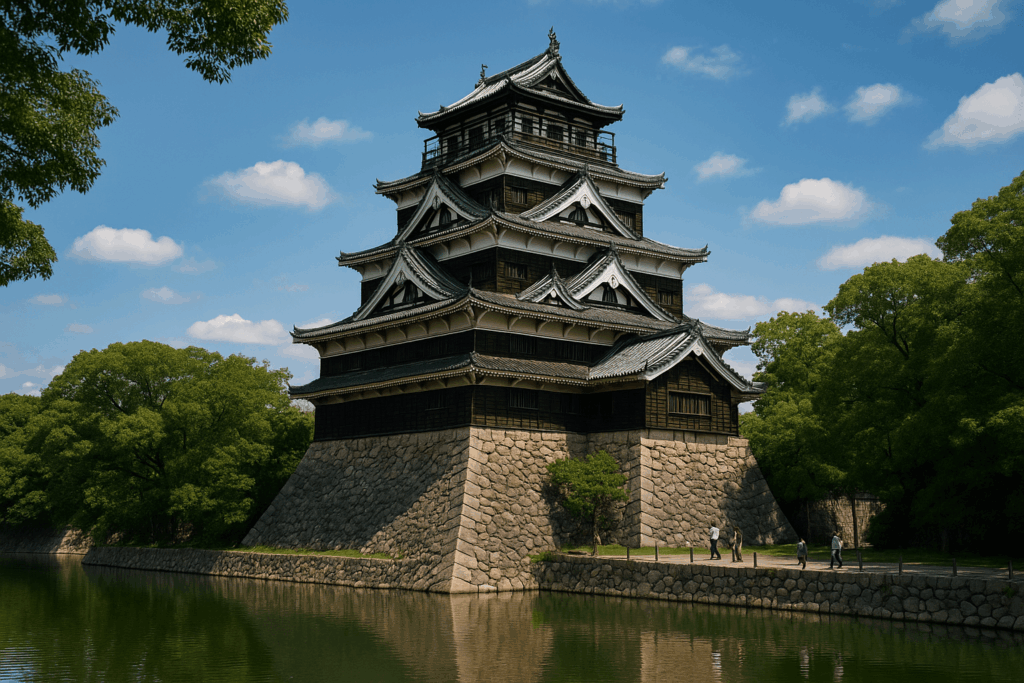
Known locally as "Carp Castle," Hiroshima Castle is a beautifully reconstructed five-story fortress surrounded by wide moats, stone walls, and peaceful gardens. The interior museum showcases samurai armor, ancient weapons, historical documents, and traditional artifacts from the feudal era. Climbing to the top floor rewards visitors with panoramic views of the modern city skyline, mountains, and surrounding greenery, making it an essential stop for history enthusiasts and photography lovers.
• Ticket Price: ¥370
• Best Time to Visit: Late afternoon for beautiful lighting
• Nearby Area: Hiroshima Gokoku Shrine, Castle Park
• Photo Tip: The moat reflection creates stunning castle photos
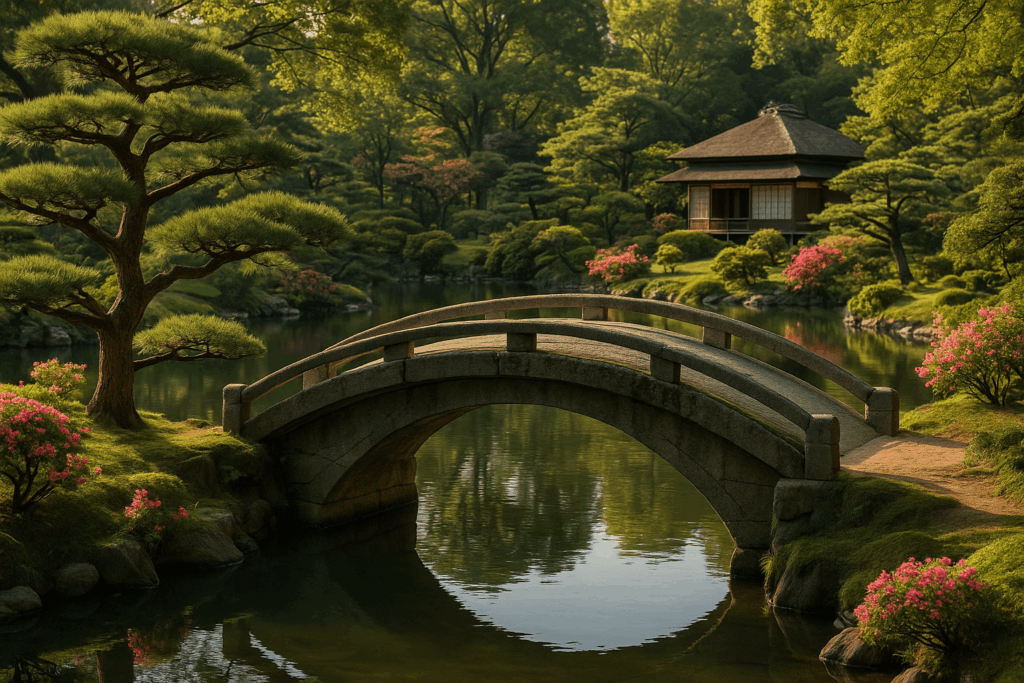
5. Shukkeien Garden
This traditional Japanese landscape garden dates back to 1620 and features miniature scenic valleys, mountains, forests, and ponds—all designed to recreate famous landscapes in compact form. Stone bridges connect small islands, carefully pruned pine trees create artistic shapes, seasonal flowers bloom throughout the year, and a traditional teahouse serves authentic matcha tea. Walking the circular path takes about 30–40 minutes and offers constantly changing views that embody the essence of Japanese garden design philosophy.
• Ticket Price: ¥260
• Must Try Experience: Matcha tea ceremony in the traditional teahouse
• Nearby Spot: Hiroshima Prefectural Art Museum
• Best Season: Spring (cherry blossoms) or Autumn (fall colors)
6. Hondori Shopping Street
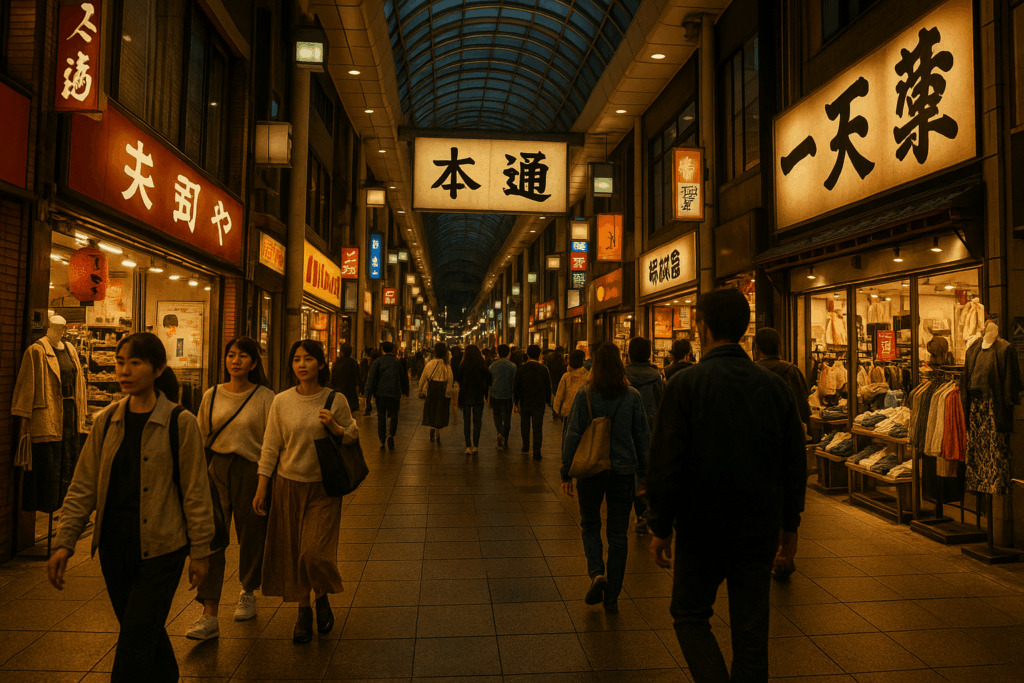
Hondori is Hiroshima's main covered shopping arcade stretching nearly 600 meters through the city center. This lively pedestrian street features fashion boutiques, souvenir shops, local department stores, game centers, street food stalls, cafés, and restaurants serving everything from traditional Japanese cuisine to international flavors. The covered roof means shopping continues even during rainy weather, and the evening atmosphere becomes particularly vibrant with neon lights and crowds of locals and tourists enjoying the urban energy.
• Approx Cost: Free to explore (shopping depends on budget)
• Must Try Food: Hiroshima-style okonomiyaki, takoyaki, crepes
• Nearby Spot: PARCO Department Store, Shareo Underground Mall
• Evening Vibe: Best visited after 5 PM for lively atmosphere
7. Hiroshima Orizuru Tower
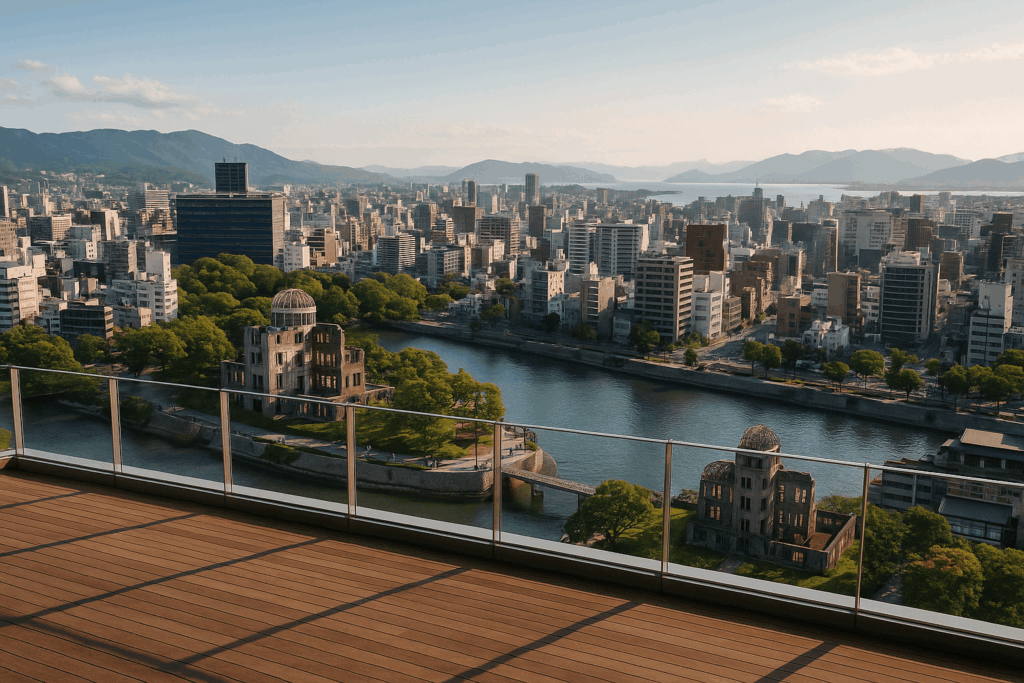
This modern architectural landmark stands adjacent to the A-Bomb Dome and offers a unique observation deck with stunning 360-degree views of Hiroshima city, the mountains, and the Seto Inland Sea. The building's highlight is the "Orizuru Wall," where visitors can fold paper cranes—traditional symbols of peace and hope—and watch them cascade down a glass-walled tower. The rooftop terrace provides comfortable wooden deck seating where you can relax and absorb the cityscape while reflecting on Hiroshima's past and future.
• Ticket Price: ¥1,700 (includes observation deck and paper crane experience)
• Best Spot: Open-air rooftop deck with wooden flooring
• Nearby Area: Peace Memorial Park, Peace Boulevard
• Sunset Timing: Check locally for best golden hour viewing
8. Hiroshima Museum of Art
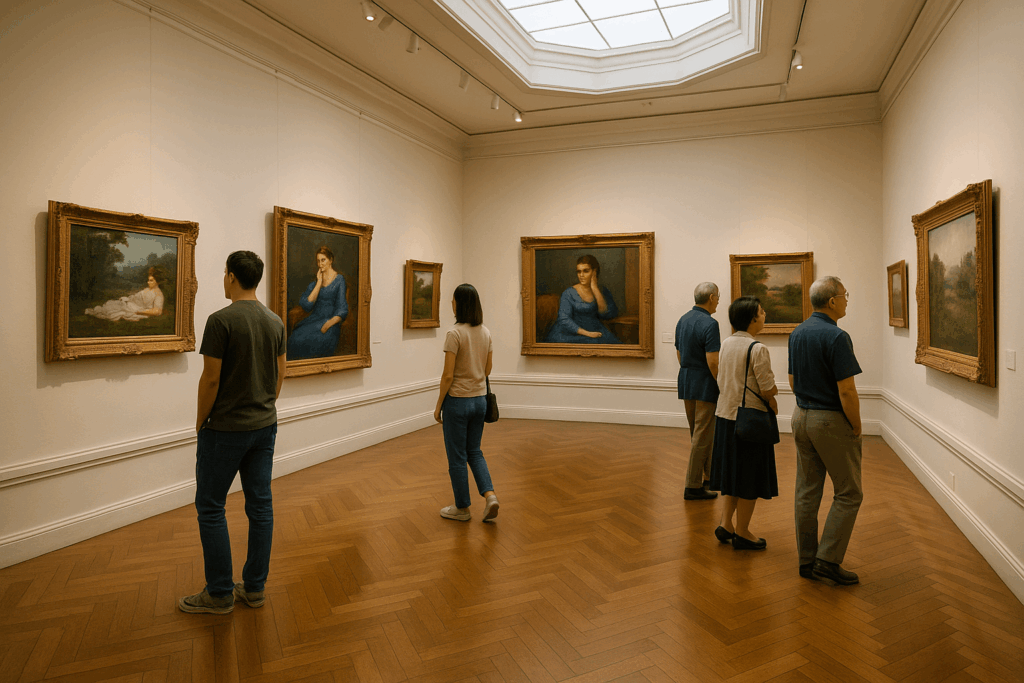
Located in a beautiful park setting near Hiroshima Castle, this museum houses an impressive collection of European masterpieces including works by Monet, Renoir, and Van Gogh, alongside significant Japanese modern art from the Meiji period to contemporary times. The museum's circular architecture creates a pleasant flow through the galleries, and the peaceful atmosphere provides a refreshing cultural break from historical sites. Rotating special exhibitions bring fresh artistic perspectives throughout the year, making repeat visits worthwhile for art enthusiasts.
• Ticket Price: ¥1,300 (varies depending on special exhibitions)
• Nearby Spot: Hiroshima Castle Park, Central Park
• Recommended Time: Allocate 1–1.5 hours for full experience
• Café: On-site museum café serves light meals and coffee
9. Mitaki-dera Temple
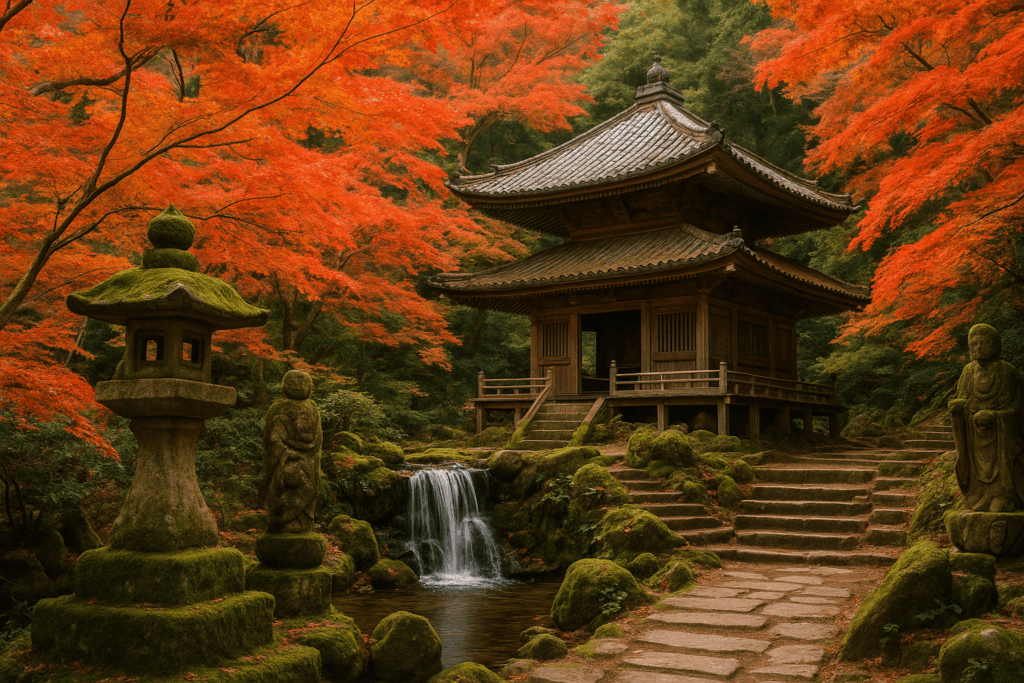
Hidden in the forested mountains northwest of central Hiroshima, Mitaki-dera is a peaceful Buddhist temple founded in 809 AD. The temple grounds feature moss-covered stone statues, cascading waterfalls, wooden prayer halls, and steep stone staircases winding through ancient cedar trees. During autumn, the hillside transforms into brilliant shades of red, orange, and gold, making it one of Hiroshima's most beautiful seasonal destinations. The quiet natural setting provides a spiritual escape from urban sightseeing and offers genuine insight into traditional Japanese temple culture.
• Approx Cost: Free entry
• Best Season: Late November for spectacular autumn foliage
• Nearby Spot: Mitaki Mountain hiking trails
• Access: 20 minutes by bus from Hiroshima Station
10. Mazda Museum
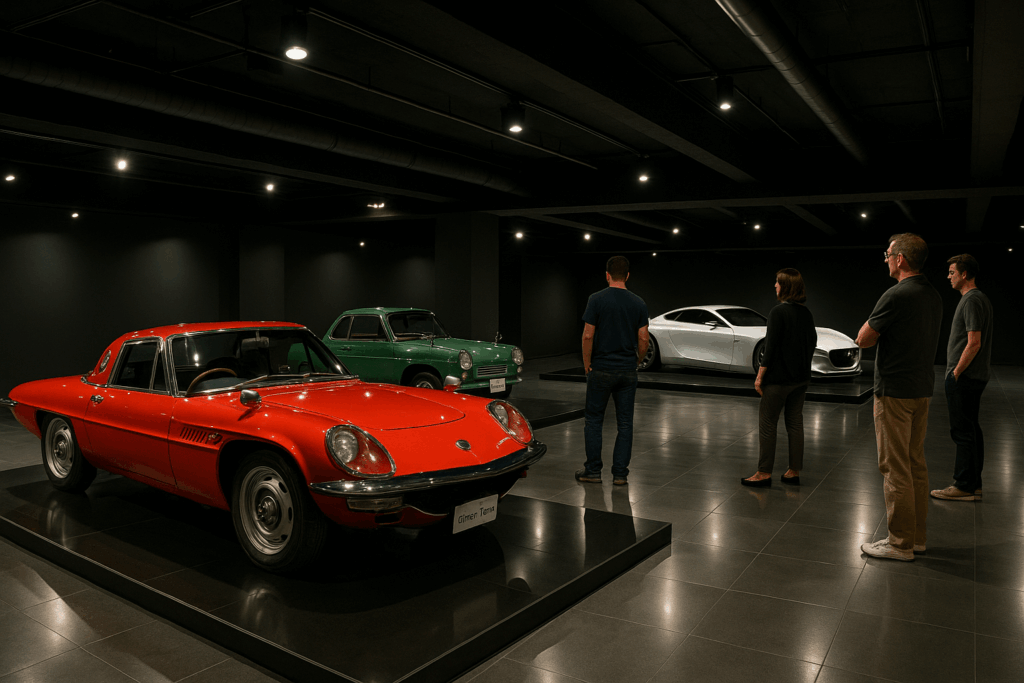
Hiroshima is the birthplace of Mazda Motor Corporation, and this fascinating museum showcases the complete history of Japanese automotive innovation and manufacturing excellence. Guided tours (reservation required) take visitors through vintage car collections, cutting-edge technology displays, design studios, and even parts of the active production line where you can watch real cars being assembled. The museum highlights Mazda's famous rotary engine technology and demonstrates why Hiroshima remains a global center for automotive engineering and craftsmanship.
• Ticket Price: Free (advance reservation required online)
• Must See: Rotary engine display, classic car collection, production line viewing
• Location: Near Mukainada Station (JR Sanyo Line)
• Tour Duration: Approximately 90 minutes with English guide available
How to Travel Around Hiroshima Like a Local
Hiroshima's transportation system is straightforward, affordable, and tourist-friendly, making it easy for first-time visitors to navigate independently. The city is more compact than Tokyo or Osaka, so most major attractions are accessible within 20–30 minutes using public transport. The combination of trams, trains, buses, and ferries creates a comprehensive network that connects the city center, surrounding neighborhoods, and nearby islands seamlessly. Understanding the basics of Hiroshima's transport options will save you time, money, and help you move around confidently without getting lost.
Best Transport Options
Hiroshima Electric Tram (Streetcar): The iconic green and white trams are the most convenient way to reach downtown attractions including Peace Memorial Park, Hiroshima Castle, and Hondori Shopping Street. Trams run frequently from early morning until late evening on multiple color-coded routes.
JR Sanyo Line: Essential for traveling to Miyajimaguchi Station (the ferry terminal for Miyajima Island) and connecting to other Hiroshima Prefecture destinations. JR Pass holders can use this line for free.
Ferries to Miyajima: Two ferry companies operate from Miyajimaguchi—both take about 10 minutes to cross to the island. JR Ferry is covered by the JR Pass.
IC Cards (Suica, Pasmo, ICOCA): All major Japanese IC cards work in Hiroshima for trams, trains, buses, and ferries, making payment quick and cashless.
Approximate Transportation Costs
• Tram Ride: ¥190–¥260 per trip (flat fare within zones)
• Ferry to Miyajima: ¥180 one way, ¥360 round trip
• JR Train to Miyajimaguchi: ¥420 from Hiroshima Station
• 1-Day Tram Pass: ¥700 (unlimited tram rides, great value if visiting multiple places)
Essential Travel Tips
• Avoid Peak Hours: Trams and trains get crowded during morning rush (7:30–9:00 AM) and evening rush (5:00–7:00 PM), especially on weekdays
• Use Google Maps: The app works perfectly in Hiroshima for real-time schedules, route planning, and walking directions
• Get an IC Card: Purchase a rechargeable ICOCA card at any JR station—it saves time and works across Japan
• Comfortable Shoes: Many attractions require significant walking, especially Miyajima Island and temple visits
• Tram Boarding: Enter from the back door, exit from the front, and pay when leaving (shows fare based on your boarding zone)
Food & Restaurant Suggestions in Tokyo
Hiroshima offers a rich food scene with fresh Seto Inland Sea seafood, famous Hiroshima-style okonomiyaki, and local oysters, from street stalls to fine dining with warm hospitality and authentic flavors.
Must-Try Hiroshima Specialties
Hiroshima is famous for its layered-style okonomiyaki, unlike Osaka’s mixed version. The city is Japan’s top oyster producer, serving fresh grilled, fried, or raw oysters. Try Momiji Manju sweets in Miyajima, cold spicy Hiroshima tsukemen, and Anago-meshi (grilled sea eel on rice), a local island favorite.
Budget-Friendly Restaurants
Visit Okonomi-mura for multiple okonomiyaki stalls in one place. Nagataya offers tourist-friendly dining with English menus. Ekie Dining at Hiroshima Station is ideal for quick meals. Sushiro and Kura Sushi provide affordable conveyor-belt sushi.
Mid-Range Restaurants
Hassho serves fresh seafood and local dishes. Mitchan Sohonten is a famous okonomiyaki spot. Kakifune Kanawa offers oyster dining on a floating restaurant in Miyajima. Uroko is perfect for refined seasonal Japanese meals.
Vegetarian & Vegan Options
Shanti Vegan Café serves plant-based meals. Peace Café offers healthy vegetarian food near the Memorial Park. Indian restaurants like Ganga and Sital provide many vegetarian choices.
Approximate Budget for a Day in Hiroshima
Planning a daily budget ensures stress-free travel in Hiroshima. More affordable than Tokyo or Kyoto, the city offers great value with lower transport costs, quality attractions, food, and rich cultural experiences.
Daily Budget Breakdown
Food & Dining: ¥1,500–¥4,500
• Breakfast: ¥400–¥800 (convenience store, hotel, or café)
• Lunch: ¥800–¥1,500 (local restaurants, okonomiyaki, ramen)
• Dinner: ¥1,200–¥2,500 (mid-range restaurant or street food)
• Snacks & Drinks: ¥300–¥700 (vending machines, convenience stores, café breaks)
Transportation: ¥500–¥1,500
• Tram rides within the city: ¥200–¥700
• JR train to Miyajimaguchi: ¥420 (free with JR Pass)
• Ferry to Miyajima: ¥360 round trip
• 1-Day Tram Pass: ¥700 (recommended if visiting multiple places)
Attractions & Activities: ¥0–¥3,000
• Peace Memorial Park: Free
• Peace Memorial Museum: ¥200
• Hiroshima Castle: ¥370
• Shukkeien Garden: ¥260
• Orizuru Tower: ¥1,700
• Miyajima Ropeway: ¥1,800 (if visiting Mount Misen)
Shopping & Souvenirs: ¥1,000–¥5,000+ (Optional)
• Momiji manju boxes: ¥500–¥1,500
• Traditional crafts from Miyajima: ¥1,000–¥3,000
• Clothing and general shopping: Variable based on personal preferences
Total Estimated Daily Budget:
• Budget Traveler: ¥3,000–¥5,000 ($20–$35 USD)
• Mid-Range Traveler: ¥6,000–¥10,000 ($40–$70 USD)
• Comfortable Traveler: ¥12,000–¥20,000 ($80–$140 USD)
Money-Saving Tips
• Purchase a 1-Day Tram Pass if visiting multiple attractions
• Eat lunch at restaurants (lunch sets are cheaper than dinner)
• Visit free attractions like Peace Memorial Park, Gokoku Shrine, and Mitaki-dera Temple
• Buy snacks and drinks at convenience stores instead of tourist areas
• Use IC cards for small discounts on transport
• Consider the JR Pass if traveling to other cities—it covers Miyajima ferry and trains
Hiroshima offers incredible value compared to other major Japanese cities, allowing travelers to experience deep cultural immersion, historical significance, delicious regional cuisine, and stunning natural beauty without breaking the bank. Whether you're traveling solo, as a couple, or with family, Hiroshima welcomes everyone with open arms and creates memories that last a lifetime.