
Japanese Food Culture: Your Ultimate Guide to Authentic Cuisine Experiences
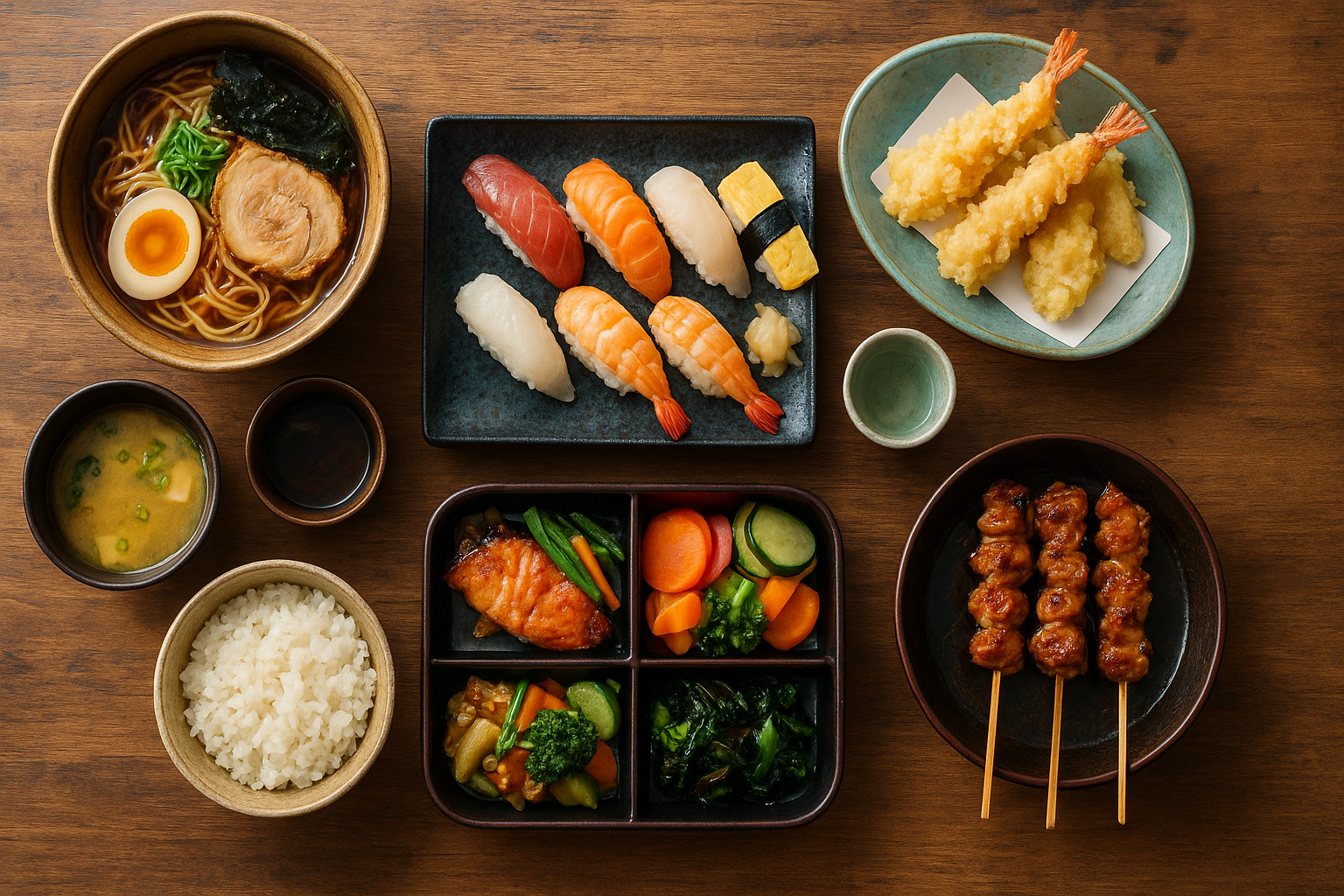
Japan's culinary landscape is one of the most sophisticated and diverse in the world, earning more Michelin stars than any country outside France. But Japanese food culture extends far beyond fancy restaurants and Instagram-worthy presentations. From tiny ramen shops where chefs have perfected a single dish over decades to bustling fish markets where tuna auctions happen before dawn, Japan offers food experiences that transform eating into art, ritual, and pure joy. Whether you're a adventurous eater ready to try everything or someone who prefers familiar flavors, understanding Japanese food culture opens doors to some of your most memorable travel moments.
Beyond Sushi: Understanding Japanese Culinary Diversity
The Regional Cuisine Renaissance
Japan's geography creates distinct regional cuisines that locals take immense pride in. Hokkaido in the north is famous for fresh seafood, particularly uni (sea urchin), crab, and salmon, plus dairy products and Sapporo's legendary miso ramen. Osaka claims the title of "Japan's Kitchen" with street foods like takoyaki (octopus balls) and okonomiyaki (savory pancakes). Kyoto developed refined kaiseki cuisine for the imperial court, emphasizing seasonal ingredients and artistic presentation.
Hiroshima puts its own spin on okonomiyaki, layering ingredients instead of mixing them. Fukuoka perfected tonkotsu ramen with its rich, milky pork bone broth. Nagoya offers unique dishes like miso katsu (pork cutlet with red miso sauce) and hitsumabushi (grilled eel served three ways). Understanding these regional specialties means you'll seek out local favorites rather than eating the same things everywhere.
Each region's cuisine reflects its climate, history, and available ingredients. Coastal areas naturally excel at seafood, while mountainous regions developed preserved foods and hearty hot pots. This diversity means you could eat something different and delicious at every meal for months without exhausting Japan's culinary offerings.
The Concept of Washoku
Washoku – traditional Japanese cuisine – was designated a UNESCO Intangible Cultural Heritage in 2013. This recognition celebrated not just the food itself but the entire culture surrounding it: respect for nature, use of seasonal ingredients, nutritional balance, and connection to annual events and ceremonies. Washoku emphasizes five colors (white, black, red, yellow, green), five tastes (sweet, sour, salty, bitter, umami), and five cooking methods (raw, grilled, steamed, boiled, fried) in each meal.
This philosophy creates naturally balanced, visually beautiful meals. A traditional breakfast might include miso soup, grilled fish, rice, pickles, and nori – simple ingredients arranged to please both eye and palate. Even casual meals follow these principles, which partly explains why Japanese cuisine is considered among the world's healthiest.
Street Food and Casual Dining Adventures
Izakaya: Japan's Answer to Gastropubs
Izakaya are informal drinking establishments serving small plates perfect for sharing. Think of them as Japanese gastropubs where the food is as important as the drinks. After work, these places fill with colleagues unwinding over beer, sake, and endless small dishes. The menu typically offers grilled skewers (yakitori), fried chicken (karaage), edamame, sashimi, fried tofu, and seasonal specials.
The atmosphere is lively and social – a stark contrast to quiet, formal restaurants. Staff shout greetings as you enter, conversations flow freely, and it's perfectly acceptable to linger for hours ordering round after round. Some izakaya specialize in particular items like yakitori or seafood, while others offer comprehensive menus. Look for red lanterns outside and crowded interiors – these signal popular spots.
Street Food That Defines Japanese Snacking
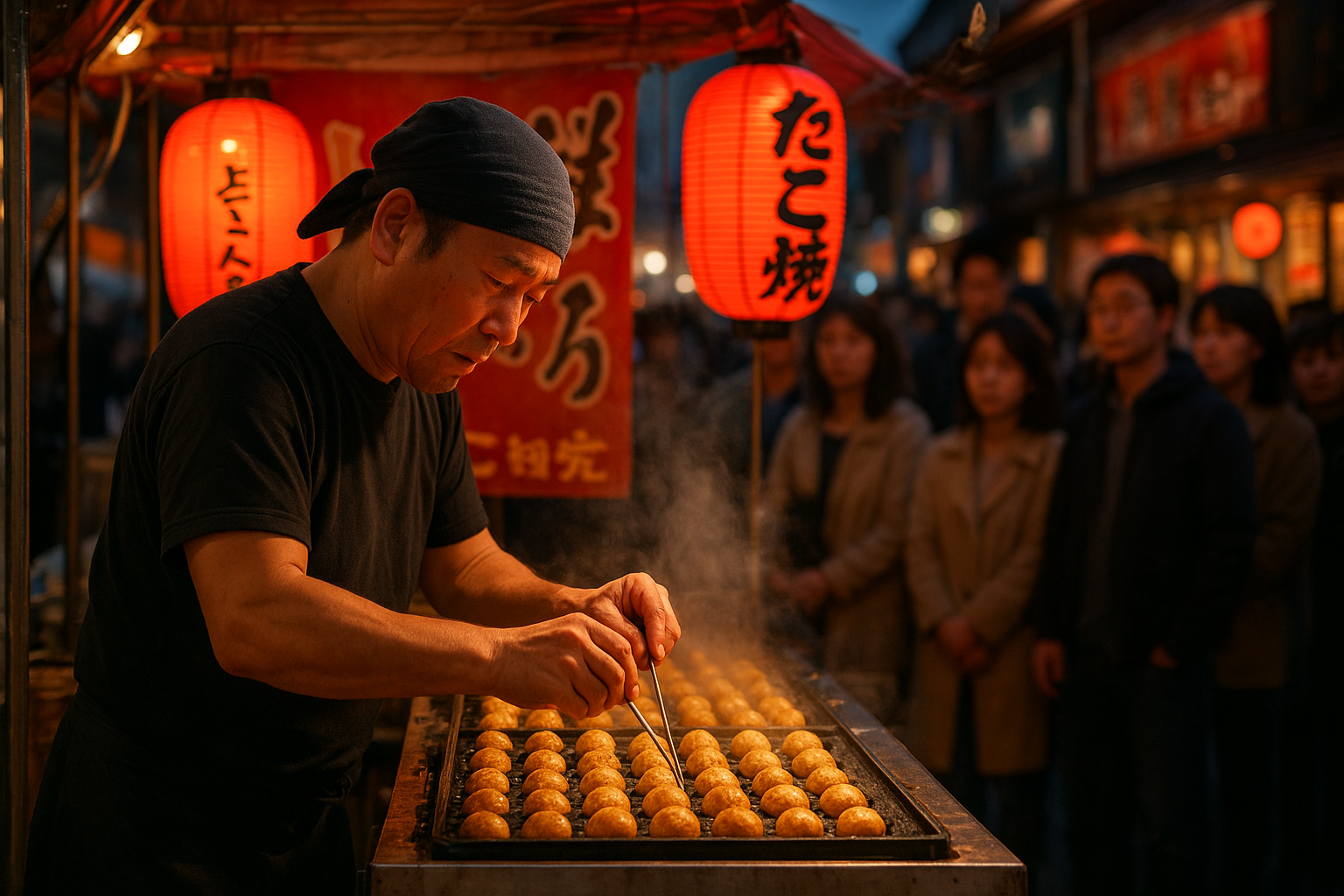
Japanese street food varies by region and season, but certain items have achieved nationwide fame. Takoyaki from Osaka are golf ball-sized wheat flour balls filled with octopus, tempura scraps, pickled ginger, and green onion, topped with sauce, mayo, bonito flakes, and seaweed. Watching the vendor expertly flip dozens of balls simultaneously is entertainment itself.
Yakitori stands grill skewered chicken parts over charcoal – not just breast and thigh, but heart, liver, skin, and cartilage. Each part has distinct flavor and texture. Taiyaki are fish-shaped pastries filled with sweet red bean paste, custard, or chocolate. Imagawayaki (also called taiko manju) are thick pancakes filled with red bean paste or custard. Dango are sweet rice dumplings on skewers, often covered with sweet soy glaze.
Don't miss yatai – mobile food stalls that appear at festivals and certain districts. Fukuoka is famous for its yatai culture, with dozens of stalls serving ramen, oden, and grilled items late into the night. The intimate counter seating and interaction with vendors creates memorable experiences.
Convenience Store Cuisine
Japan's convenience stores (konbini) like 7-Eleven, Lawson, and FamilyMart deserve special mention. These aren't ordinary convenience stores – they're legitimate meal solutions with surprisingly high quality. Fresh onigiri (rice balls) come in dozens of varieties. Pre-made bentos offer balanced meals. Fried chicken rivals dedicated restaurants. Seasonal items appear year-round.
The drinks section alone could occupy hours of exploration – from dozens of tea varieties to seasonal limited-edition sodas. Hot food sections offer items like nikuman (steamed buns), oden (hot pot items), and yakitori. Many travelers find themselves visiting konbini multiple times daily, and there's no shame in that – locals do too.
Fine Dining and Culinary Masterpieces
Kaiseki: The Pinnacle of Japanese Cuisine
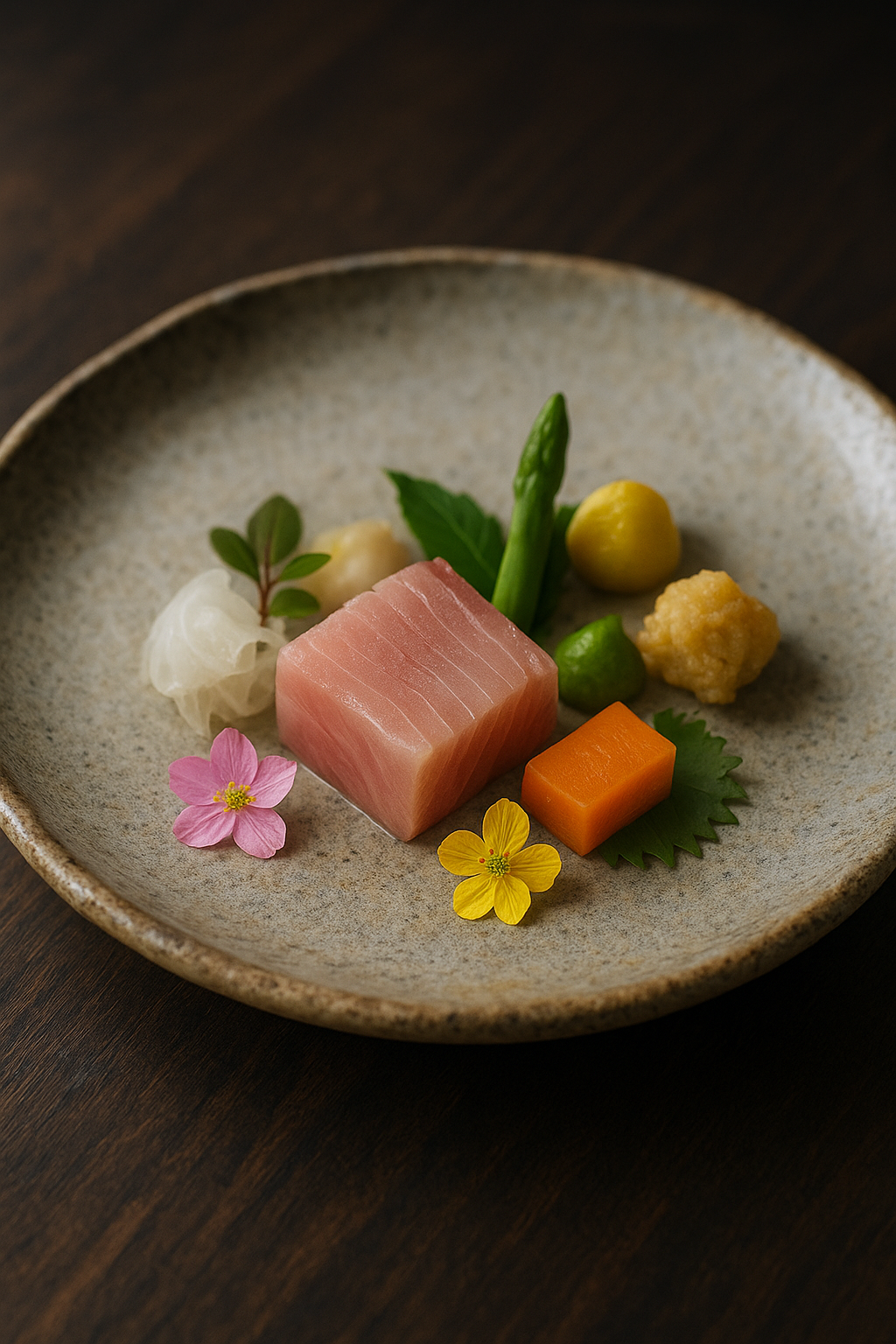
Kaiseki represents Japanese haute cuisine – multi-course meals that showcase seasonal ingredients through various cooking techniques, served in carefully selected dishes that complement each dish. Originally developed for tea ceremonies, kaiseki evolved into an art form where chefs express creativity while honoring tradition.
A typical kaiseki meal includes 7-14 courses: appetizer, sashimi, simmered dish, grilled dish, steamed dish, fried dish, rice, soup, pickles, and dessert. But these simple descriptions don't capture the artistry. A single course might feature three types of fish arranged to evoke a landscape, garnished with edible flowers and served in a handmade ceramic piece chosen specifically for that dish and season.
Kyoto's kaiseki restaurants are legendary, with some holding Michelin stars and requiring reservations months ahead. However, more accessible kaiseki exists in ryokan (traditional inns) and mid-range restaurants. Even simpler versions demonstrate the philosophy of honoring ingredients and presenting food beautifully.
Sushi Beyond Conveyor Belts
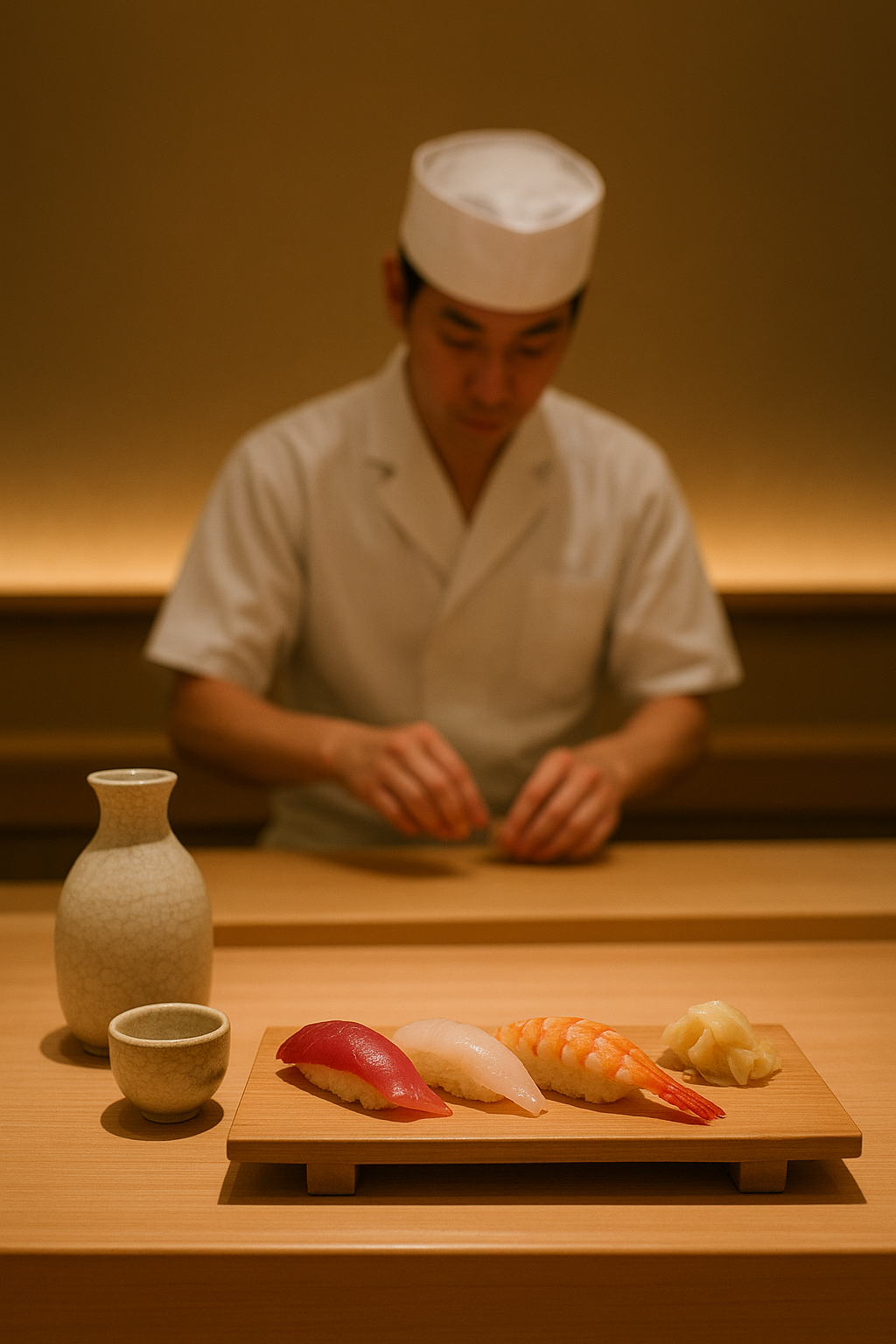
While conveyor belt sushi (kaiten-zushi) offers fun, affordable experiences, Japan's sushi culture reaches much deeper. Traditional Edomae-zushi in Tokyo follows strict techniques developed over centuries. At high-end sushi counters, the chef (itamae) serves pieces one by one, explaining each fish's origin, how it was prepared, and how to eat it.
The rice temperature, vinegar balance, fish aging, and slicing technique all matter immensely. Great sushi chefs train for years before being allowed to serve customers. The most exclusive establishments serve omakase (chef's choice) only, with no menu and prices that reflect the artistry and ingredient quality.
However, excellent sushi exists at various price points. Mid-range restaurants offer outstanding quality without intimidating formality. Standing sushi bars near fish markets serve incredibly fresh fish at reasonable prices. The key is understanding what you're eating and respecting the craft, regardless of price.
Ramen: The Soul Food of Japan
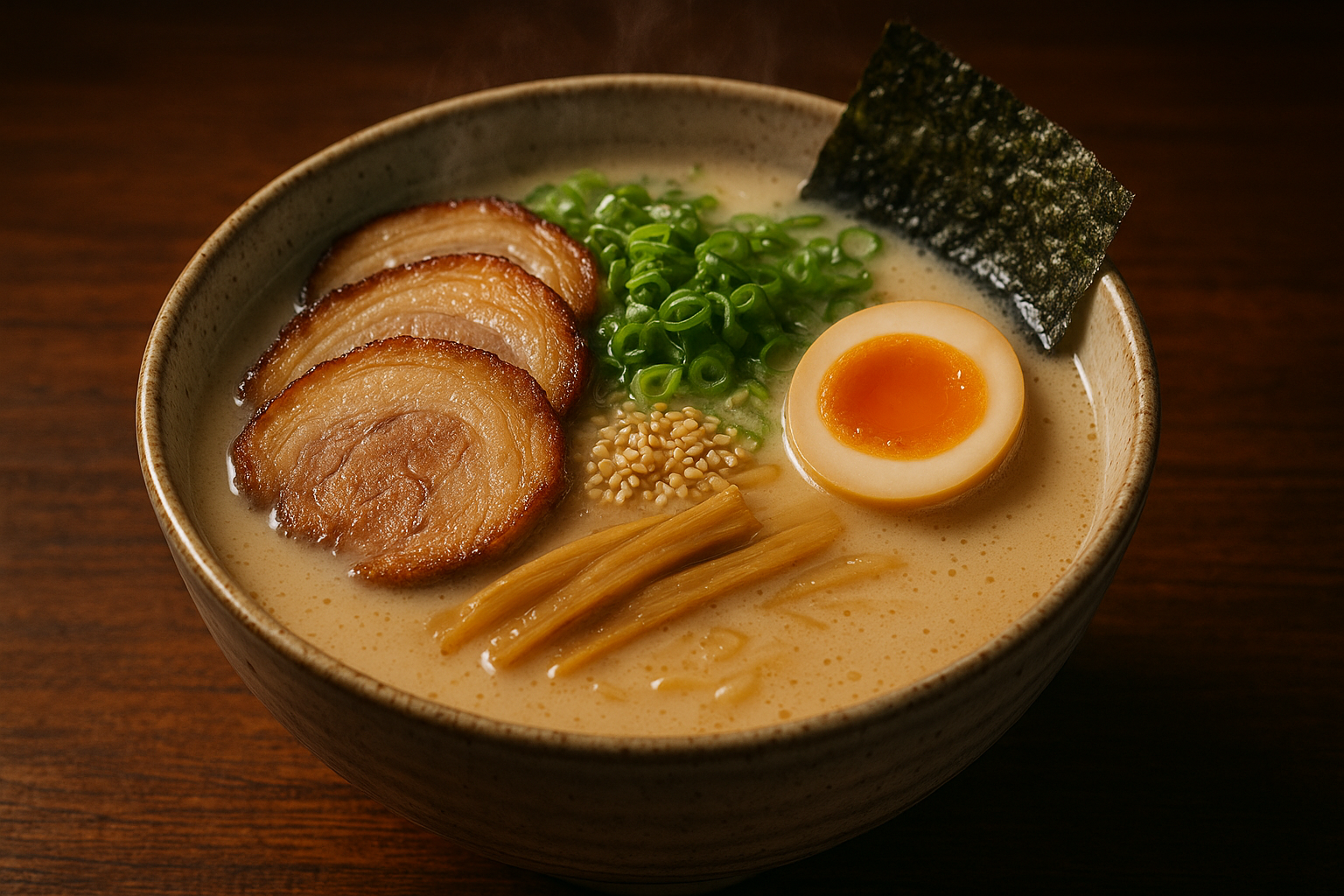
Ramen's regional varieties could fill entire books. Tonkotsu (pork bone) broth from Kyushu is rich and creamy. Shoyu (soy sauce) ramen from Tokyo is clear and savory. Miso ramen from Hokkaido is hearty and warming. Shio (salt) ramen is delicate and light. Each region adds local ingredients – corn and butter in Hokkaido, spicy cod roe in Fukuoka, roasted garlic in Tokyo.
Great ramen shops often specialize in one style perfected over decades. Many have limited seating and queues stretching down the block. Vending machine ordering systems are common – you purchase meal tickets then hand them to staff. Customization options include noodle firmness, broth richness, and toppings.
Ramen culture encourages focus on the meal. Many shops have counter-only seating with dividers between customers, creating almost meditative eating experiences. Slurping is expected – it aerates the noodles and shows appreciation. The goal is eating while everything is optimally hot, which is why service is quick and turnover fast.
Food Markets and Culinary Attractions
Tsukiji Outer Market and Beyond
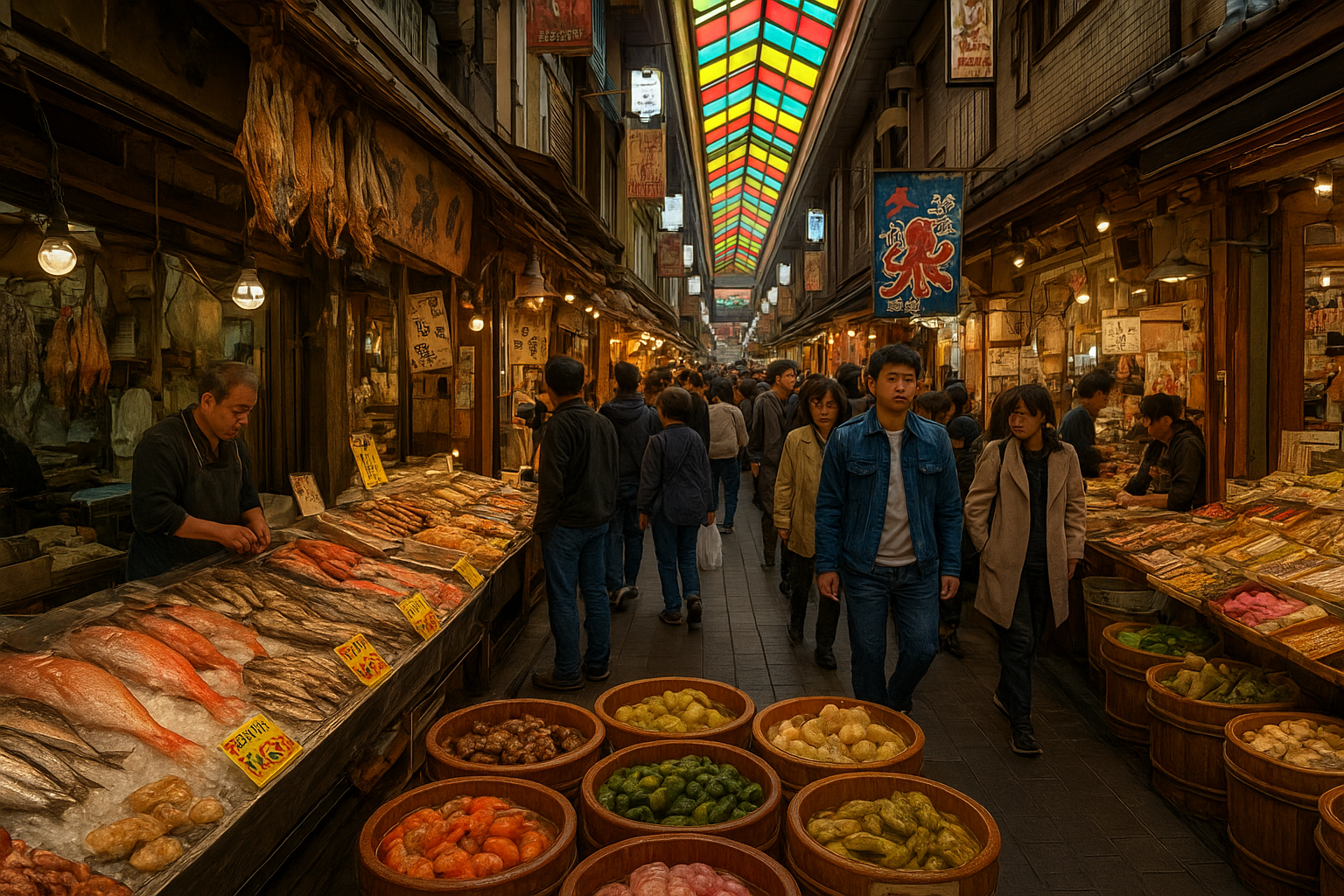
While Tokyo's Tsukiji inner wholesale market moved to Toyosu, the outer market remains a food lover's paradise. Small shops and restaurants serve ultra-fresh sushi for breakfast, grilled seafood, tamagoyaki (Japanese omelet), and countless specialty foods. The atmosphere is bustling and authentic – this isn't a tourist simulation but a real working food district.
Kyoto's Nishiki Market spans five blocks with over 100 shops selling Kyoto specialties: pickles, tofu, fresh seafood, wagashi (traditional sweets), tea, and prepared foods. Many shops offer samples, and the narrow covered arcade creates an intimate shopping experience. Osaka's Kuromon Market similarly showcases regional foods with numerous places to eat while exploring.
Visiting these markets early morning reveals their most vibrant side. Watch vendors arrange displays with artistic precision, see locals shopping for ingredients, and enjoy breakfast where chefs prepare food steps from the ocean. These markets aren't just about eating – they're about understanding Japanese food culture's connection to freshness, seasonality, and quality.
Depachika: Department Store Food Halls
Japanese department store basements (depachika) are culinary wonderlands that deserve dedicated visits. These aren't basic food courts – they're collections of specialty shops from renowned restaurants, bakeries, and confectioners. The presentation is impeccable, samples are generous, and the variety is staggering.
Popular depachika include those at Takashimaya, Mitsukoshi, and Isetan in Tokyo, and Daimaru in Osaka. You'll find everything from freshly made bentos and sushi to imported cheeses, premium fruits (yes, individual melons can cost $100+), wagashi, Western pastries, sake, and prepared dishes from famous restaurants. Many items are beautifully packaged, making them perfect gifts.
The organized chaos of depachika during dinner rush hours is fascinating – efficiently run counters serve hundreds of customers with precision. Even window shopping reveals Japanese food culture's aesthetic values and quality standards.
Unique Food Experiences Worth Seeking
Food-Themed Activities and Classes
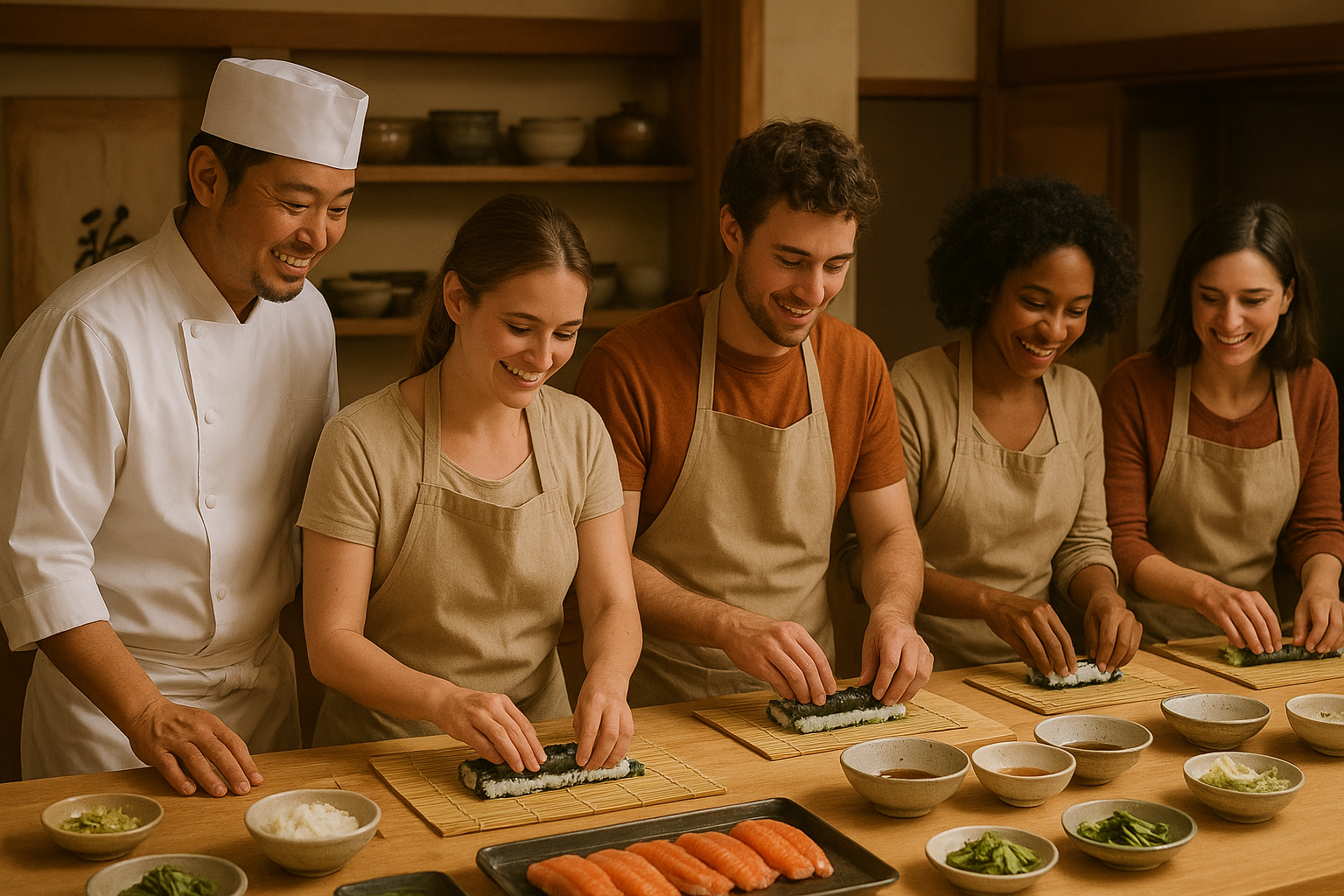
Cooking classes offer hands-on understanding of Japanese cuisine. Make sushi with professionals, prepare ramen from scratch, craft delicate wagashi sweets, or learn bento box arrangement. Many classes include market visits where instructors explain ingredient selection before returning to cook together.
Sake breweries offer tastings and tours explaining the complex brewing process. Some allow you to make your own sake blend. Tea ceremonies provide formal introduction to matcha preparation, serving, and the philosophy surrounding Japanese tea culture. Food tours led by local guides reveal hidden gems and explain cultural context you'd miss exploring alone.
Consider themed restaurants for memorable experiences. Ninja restaurants serve meals with theatrical performances. Robot restaurants (in Shinjuku) offer sensory overload dinner shows. Maid cafes in Akihabara appeal to anime culture enthusiasts. While touristy, these experiences reflect unique aspects of Japanese pop culture.
Seasonal and Regional Food Festivals
Japan celebrates food through countless matsuri (festivals). Cherry blossom season brings hanami parties with seasonal foods. Summer offers grilled ayu sweetfish festivals. Autumn celebrates matsutake mushrooms and chestnuts. Winter features nabe (hot pot) gatherings and New Year's osechi ryori.
Regional festivals showcase local specialties. Sake festivals let you sample hundreds of varieties. Seafood festivals celebrate seasonal catches. Fruit festivals in farming regions offer all-you-can-eat experiences. These gatherings combine food with cultural traditions, creating deeper appreciation for Japanese culinary culture.
Dietary Considerations and Navigation Tips
Vegetarian and Dietary Restrictions
Traditional Japanese cuisine uses fish-based dashi stock in seemingly everything, making strict vegetarian eating challenging. However, shojin ryori (Buddhist temple cuisine) is completely vegetarian, developed for monks. Several restaurants in Kyoto and temple lodgings serve elaborate shojin meals showcasing vegetables, tofu, and seasonal items prepared with incredible creativity.
Vegan options exist but require research and often Japanese language skills to confirm ingredients. Many restaurants now provide allergen information, especially in tourist areas. Apps and websites dedicated to dietary restrictions help identify suitable restaurants. Learning key phrases in Japanese about your restrictions is invaluable.
Muslim travelers can find halal restaurants in major cities, though options are limited compared to other Asian countries. Kosher options are extremely rare. Those with serious allergies should carry translated cards explaining their restrictions, as accidental exposure can occur even with careful ordering.
Reading Menus and Ordering Confidence
Many restaurants display plastic food samples (sampuru) in windows – incredibly realistic models showing exactly what dishes look like. Point at what looks appealing, take photos, and show staff. This visual menu system removes language barriers.
Picture menus are increasingly common in tourist areas. Translation apps can photograph Japanese text and translate instantly, though accuracy varies. Learning to recognize basic kanji for common foods helps: 魚 (fish), 肉 (meat), 野菜 (vegetables), 卵 (egg).
Don't be intimidated by vending machine ordering systems. Pictures accompany most buttons. If confused, staff typically help willingly. The worst that happens is ordering something unexpected – which often leads to discovering new favorites.
Making Food the Heart of Your Journey
Japanese food culture represents centuries of refinement, regional pride, and deep respect for ingredients and preparation. Every meal can be an adventure, from simple convenience store onigiri to elaborate kaiseki feasts. Understanding the culture, customs, and variety available transforms eating from necessity to highlight.
The beauty of Japanese food tourism is that incredible experiences exist at all budgets. A ¥1,000 bowl of ramen from a tiny shop might be as memorable as a ¥30,000 kaiseki dinner. Both represent Japanese values of perfection, craftsmanship, and hospitality. The key is approaching each meal with curiosity and openness.
Taste Japan with Expert Guidance
Ready to discover Japan's incredible food scene beyond the obvious tourist spots? Want to find that hidden ramen shop locals line up for? Wondering which regional specialties you shouldn't miss? Need help navigating dietary restrictions or securing reservations at sought-after restaurants?
Journey Japan creates custom culinary tours designed around your food preferences and curiosity level. From street food adventures to Michelin-starred reservations, cooking class arrangements to market tours with insider access, we craft food-focused itineraries that satisfy both stomach and soul. Our local expertise means you'll eat where locals eat, understand what you're tasting, and never waste a meal on tourist traps.
Contact us today for a free consultation and let us create your ultimate Japanese culinary journey.