
Japanese Etiquette Guide: Navigate Cultural Customs Like a Respectful Traveler
Japan is a country where manners matter deeply, and understanding local etiquette can transform your travel experience from awkward to authentic. The Japanese place tremendous value on harmony, respect, and consideration for others – principles that are woven into everyday interactions. While locals are generally forgiving of foreign visitors who make innocent mistakes, making an effort to understand and follow Japanese customs shows respect and often opens doors to warmer, more meaningful interactions. This comprehensive guide will help you navigate Japan's social landscape with confidence and grace.
Understanding the Foundation of Japanese Etiquette
The Concept of Omotenashi
Japanese hospitality, or omotenashi, goes beyond simple customer service. It's the practice of wholeheartedly anticipating and fulfilling needs before they're expressed. You'll experience this everywhere – from hotel staff who remember your preferences to restaurant workers who provide impeccable service without expectation of tips. Understanding that service excellence is a source of pride in Japan helps you appreciate the care you receive and respond appropriately with gratitude and respect.
The flip side of receiving such consideration is the expectation that you'll show equal consideration to others. This manifests in countless small ways – keeping your voice down in public spaces, not eating while walking, queuing orderly, and being mindful of how your actions affect those around you. Japanese society functions smoothly because individuals prioritize group harmony over personal convenience.
Reading the Air (Kuuki wo Yomu)
The Japanese concept of kuuki wo yomu – literally "reading the air" – means being aware of unspoken social cues and adjusting your behavior accordingly. In Japan, direct confrontation is avoided, and much communication happens non-verbally. If someone seems hesitant or uncomfortable, even while being outwardly polite, they may be indirectly declining or expressing concern. Learning to pick up on these subtle signals helps you navigate social situations more smoothly.
Bowing: The Universal Japanese Greeting

When and How to Bow
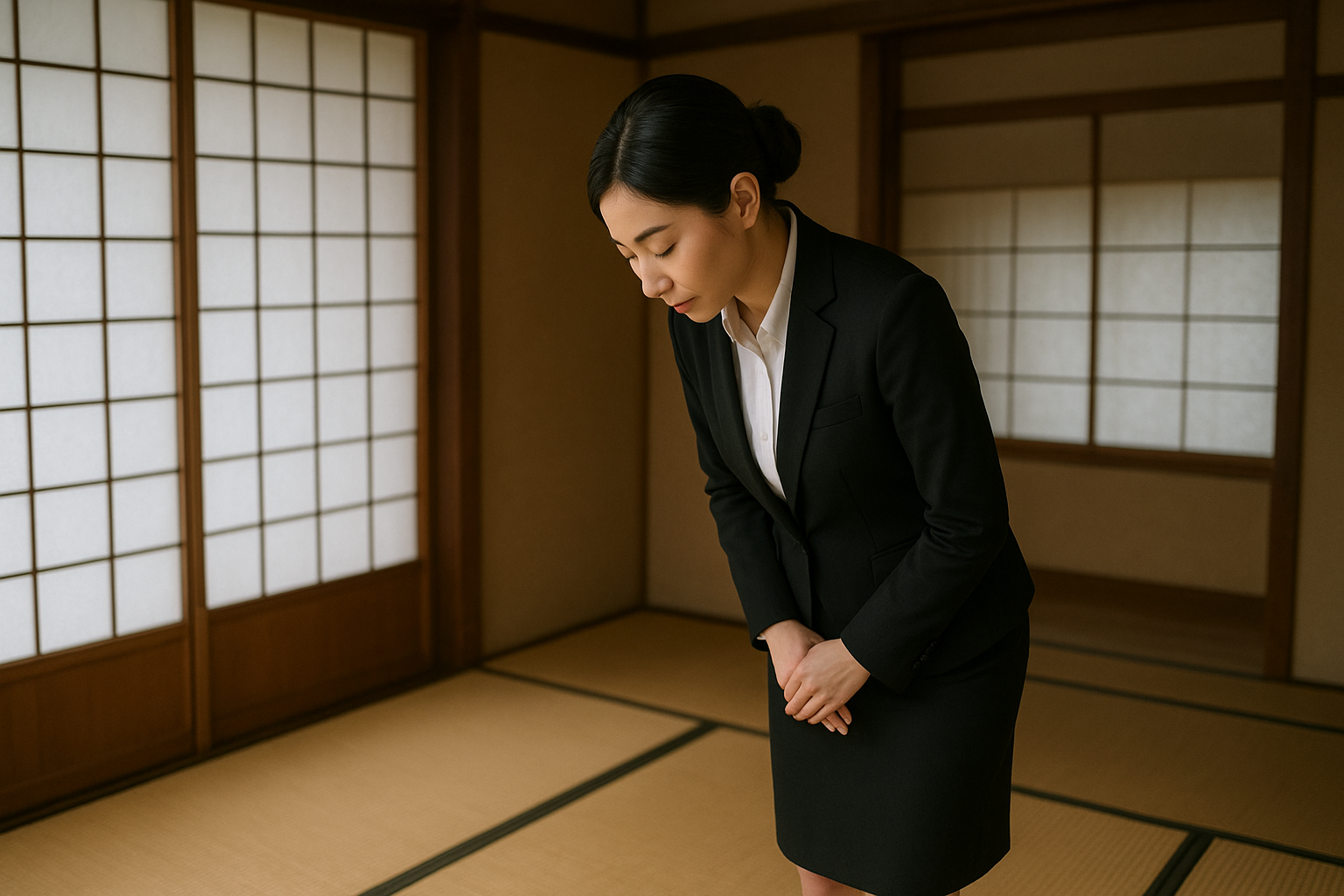
Bowing is the traditional Japanese greeting, and you'll see it constantly – people bow when meeting, thanking, apologizing, and parting. As a tourist, you're not expected to master the intricate rules of bowing depth and duration, but understanding the basics shows respect.
A casual greeting bow involves a slight head nod or bend from the waist of about 15 degrees. Keep your back straight, hands at your sides or folded in front, and hold the bow for a second. Deeper bows (30-45 degrees) express greater respect or apology, but as a visitor, shallow bows are perfectly acceptable for most situations.
You'll encounter bowing in hotels, restaurants, shops, and temples. Simply returning the bow, even briefly, acknowledges the gesture. If someone bows while you're carrying bags or in an awkward position, a head nod suffices. Never bow while shaking hands simultaneously – it's awkward and unnecessary. In business contexts, Japanese people may offer handshakes to foreign visitors, but follow their lead.
Modern Bowing Etiquette
In contemporary urban Japan, particularly Tokyo, younger people may simply nod or say hello to foreigners. Don't be surprised if your carefully executed bow is met with a casual wave. Service industry workers will bow deeply and repeatedly – you don't need to match their formality with the same intensity. A simple bow in return acknowledges their service.
Dining Etiquette: From Chopsticks to Cheers

Chopstick Rules You Must Know
Japanese dining comes with specific chopstick customs that are important to follow. Never stick chopsticks vertically into rice – this resembles incense sticks at funerals and is considered highly disrespectful. Don't pass food chopstick-to-chopstick, as this also relates to funeral rituals. Avoid pointing with chopsticks, waving them around, or spearing food. When not using chopsticks, rest them on the provided holder (hashioki) or across your plate, never across your bowl.
When sharing dishes, use the opposite end of your chopsticks (the end that hasn't touched your mouth) to take food, or use the serving chopsticks provided. This shows consideration for hygiene and is especially important when dining with Japanese colleagues or new acquaintances.
Restaurant Behavior and Customs
Upon entering restaurants, you'll often hear staff call out "irasshaimase!" (welcome). You don't need to respond – it's an acknowledgment of your arrival. Wait to be seated rather than choosing your own table, even in casual restaurants. Many establishments provide wet towels (oshibori) – use these only for your hands, never your face, and fold neatly when finished.
Slurping noodles is not only acceptable but encouraged, especially with ramen and soba. It shows appreciation and helps cool the noodles. However, burping, blowing your nose at the table, or eating with your mouth open are considered rude. Finish your rice completely if possible – leaving rice shows waste.
Drinking Etiquette
If drinking alcohol with Japanese companions, observe the custom of pouring for others rather than yourself. Hold your cup with both hands when someone pours for you, and return the gesture. When toasting, say "kanpai!" (cheers) and slightly lower your glass if toasting with someone of higher status. Drinking is a significant part of business and social culture in Japan, but it's perfectly acceptable to decline politely or order non-alcoholic alternatives.
Tipping Culture: When Not to Tip
Why Tipping Can Offend
This is crucial: do not tip in Japan. The concept of tipping is considered insulting, implying that the person needs extra payment to do their job properly. Excellent service is expected and provided as a matter of professional pride, not for additional compensation. Attempting to tip may confuse, embarrass, or even offend service workers.
This applies everywhere – restaurants, hotels, taxis, tour guides. Even leaving spare change on the table will result in staff chasing you down to return "forgotten" money. The price you see is the price you pay, with no hidden expectations. The only exceptions are some high-end ryokan or specific tour services that cater to international visitors and explicitly mention gratuities, but these are rare.
Temple and Shrine Etiquette

Proper Visiting Behavior
Japanese temples (Buddhist) and shrines (Shinto) are active places of worship, not just tourist attractions. Before entering shrine grounds, purify yourself at the temizuya (water pavilion): take the ladle with your right hand, pour water over your left hand, switch hands and rinse the right, pour water into your left palm to rinse your mouth (don't drink directly from the ladle), and finally rinse the ladle handle by holding it vertically.
At the main hall, bow slightly, toss a coin (5 or 50 yen are traditional) into the offering box, bow twice deeply, clap twice, pray or reflect quietly, then bow once more. Don't worry if you can't remember the exact sequence – sincere respect matters more than perfect execution.
Inside temple buildings, remove shoes where indicated and be quiet. Don't point at Buddhist statues or touch anything unless signs indicate it's permitted. Photography restrictions vary – look for signs or ask permission. Some areas are off-limits to visitors; respect all barriers and closed doors.
Dress Code Considerations
While there's no strict dress code for most temples and shrines, modest attire shows respect. Avoid overly revealing clothing, especially tank tops and very short shorts. Some temples require covered shoulders and knees. If visiting during major ceremonies or festivals, extra consideration for appropriate dress is appreciated.
Public Behavior and Social Norms
Transportation Etiquette
Japanese trains and buses operate on strict quiet rules. Phone calls are prohibited – you'll see signs reminding passengers to put phones in manner mode (silent). Conversations should be whisper-quiet. Priority seating is taken seriously – give up seats for elderly, pregnant, or disabled passengers without hesitation.
Queue orderly when boarding, standing in designated areas marked on platforms. Let passengers exit before boarding. On crowded trains, remove backpacks and hold them at your feet to conserve space. Eating and drinking on local trains is frowned upon, though it's acceptable on long-distance shinkansen.
Public Spaces and Cleanliness
Japan's cleanliness isn't accidental – it's maintained through collective effort and consideration. You'll notice few public trash cans (a legacy of security measures), so carry a small bag for trash and dispose of it at your hotel or in station bins. Never litter.
Don't walk while eating or drinking on streets, especially in traditional neighborhoods. Find a place to stand or sit, finish your food or drink, then continue walking. Smoking is restricted to designated smoking areas – never smoke while walking or outside designated zones, even outdoors.
Keep noise levels down in residential areas, especially at night. Avoid loud conversations or music. When taking photos, be mindful of including strangers without permission, particularly in private moments or at sensitive locations.
Onsen and Bath House Etiquette

The Rules of Japanese Bathing
Onsen (hot springs) and sento (public baths) are wonderful cultural experiences, but they come with strict etiquette. Most importantly, you must wash thoroughly before entering the communal bath. Use the shower stations provided, washing your entire body with soap. Rinse completely – no soap residue should enter the bath.
Tattoos are traditionally associated with yakuza (organized crime) and are banned at many facilities, though this is slowly changing. Some places now accept small tattoos or offer private baths. Check policies beforehand if you have tattoos. Never put your towel in the bath water – keep it on your head or beside the bath. Don't swim, splash, or be loud in the bath. Enjoy the peaceful, meditative atmosphere.
Gift-Giving and Receiving
The Art of Omiyage
Omiyage (souvenirs) are an important part of Japanese culture. If visiting someone's home or meeting business contacts, bringing a small gift shows thoughtfulness. Regional food specialties, items from your home country, or beautifully packaged sweets are appropriate. Presentation matters – purchase pre-wrapped items or have them professionally wrapped.
When giving or receiving gifts, use both hands and bow slightly. Never open gifts immediately in front of the giver unless encouraged to do so. Gift-opening is typically done privately to avoid appearing greedy or disappointed. If someone gives you a gift, expressing thanks multiple times over the following days shows appreciation.
Home Visits and Shoe Customs
Removing Shoes Properly
Removing shoes before entering homes is non-negotiable. This extends to many traditional restaurants, ryokan, temples, and some museums or businesses. Look for genkan (entrance areas) where shoes are removed. Never step on the raised floor area with outdoor shoes.
Place shoes neatly with toes pointing toward the door for easy exit. Slippers are often provided – wear these inside but remove them before stepping on tatami mats or entering toilet rooms (separate toilet slippers are usually provided). Yes, it sounds complicated, but you'll adapt quickly. The key is watching what locals do and following their lead.
Language and Communication Tips

Essential Polite Phrases
You don't need fluent Japanese, but learning basic polite phrases shows effort and respect:
- Sumimasen — excuse me / sorry
- Arigatou gozaimasu — thank you very much
- Onegaishimasu — please / if you would
- Gochisousama deshita — thank you for the meal (after eating)
- Otsukaresama desu — thank you for your hard work / general appreciation
Embracing Japanese Culture Fully
Understanding Japanese etiquette isn't about walking on eggshells or losing your personality. It's about showing respect for a culture that values consideration, harmony, and mutual respect. Japanese people recognize cultural differences and appreciate genuine effort over perfect execution. A sincere attempt to follow local customs, combined with a friendly attitude and willingness to learn, will be warmly received.
The depth of Japanese etiquette reflects centuries of cultural development and remains relevant in modern society. By following these guidelines, you'll not only avoid uncomfortable situations but also experience Japan more authentically. You'll find that respect begets respect, and small efforts to understand Japanese customs often result in memorable interactions and deeper cultural insights.
Experience Japan with Cultural Confidence
Ready to immerse yourself in Japanese culture without the stress of cultural missteps? Understanding etiquette is one thing – experiencing it naturally while traveling is another. Should you remove your shoes here? How do you properly visit this shrine? What's the appropriate way to handle this social situation?
Journey Japan's expert guides don't just show you destinations – we help you navigate cultural nuances with confidence. Our customized tours include cultural orientation, etiquette guidance, and real-time support so you can engage authentically with Japanese culture. From proper temple visits to business dinner etiquette, we ensure you're prepared for every situation.
Contact us today for a free consultation and discover how we can help you experience Japan like a respectful, culturally-aware traveler.